
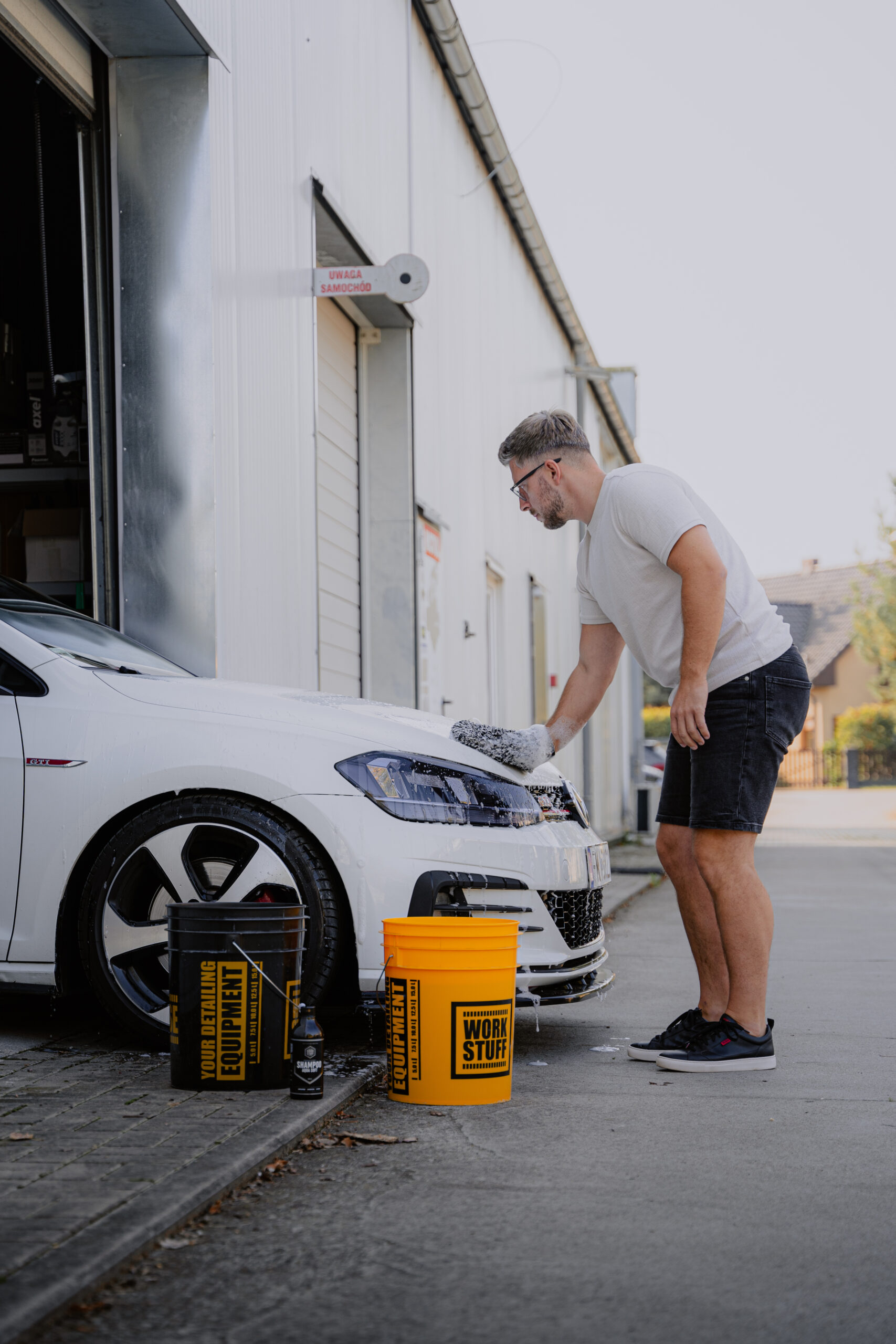
THE SPOT-FREE
CAR WASH
Water spots after a car wash usually form when mineral-rich rinse water evaporates on the surface and leaves deposits behind. This guide explains how to prevent water spots on your car, avoid hard-water marks while washing, dry the paint correctly and deal with spots that are already visible.
DO NOT LET RINSE WATER DRY ON THE CAR.
To prevent water spots after washing a car, work on cool panels in the shade, keep unfinished areas wet, rinse completely and dry immediately. Hard water contains more dissolved minerals, so droplets that are allowed to evaporate can leave visible mineral deposits on paint, glass and trim.
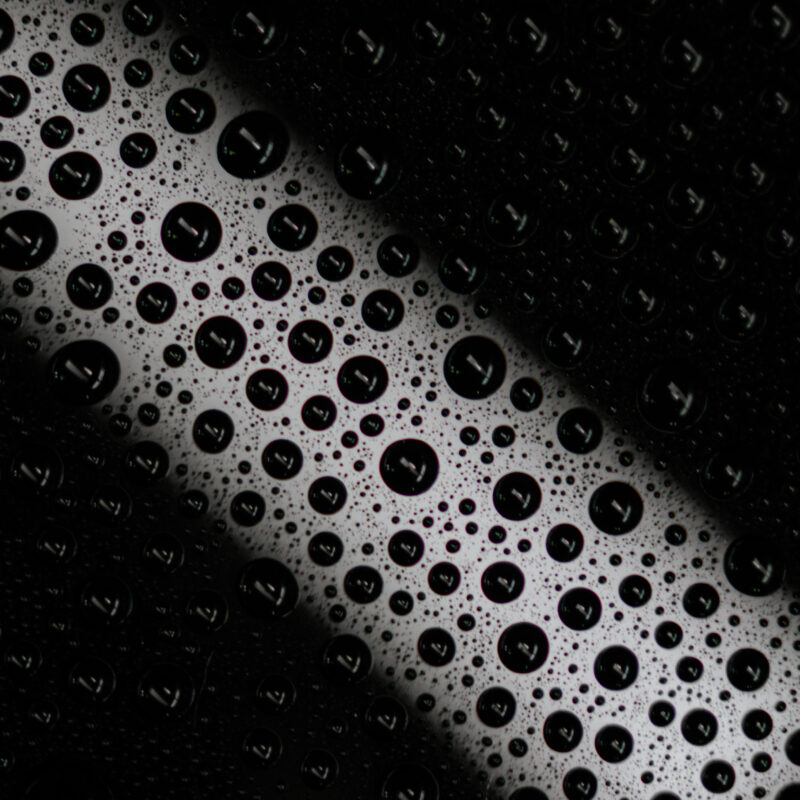
The water disappears. Calcium, magnesium and other dissolved material can remain.
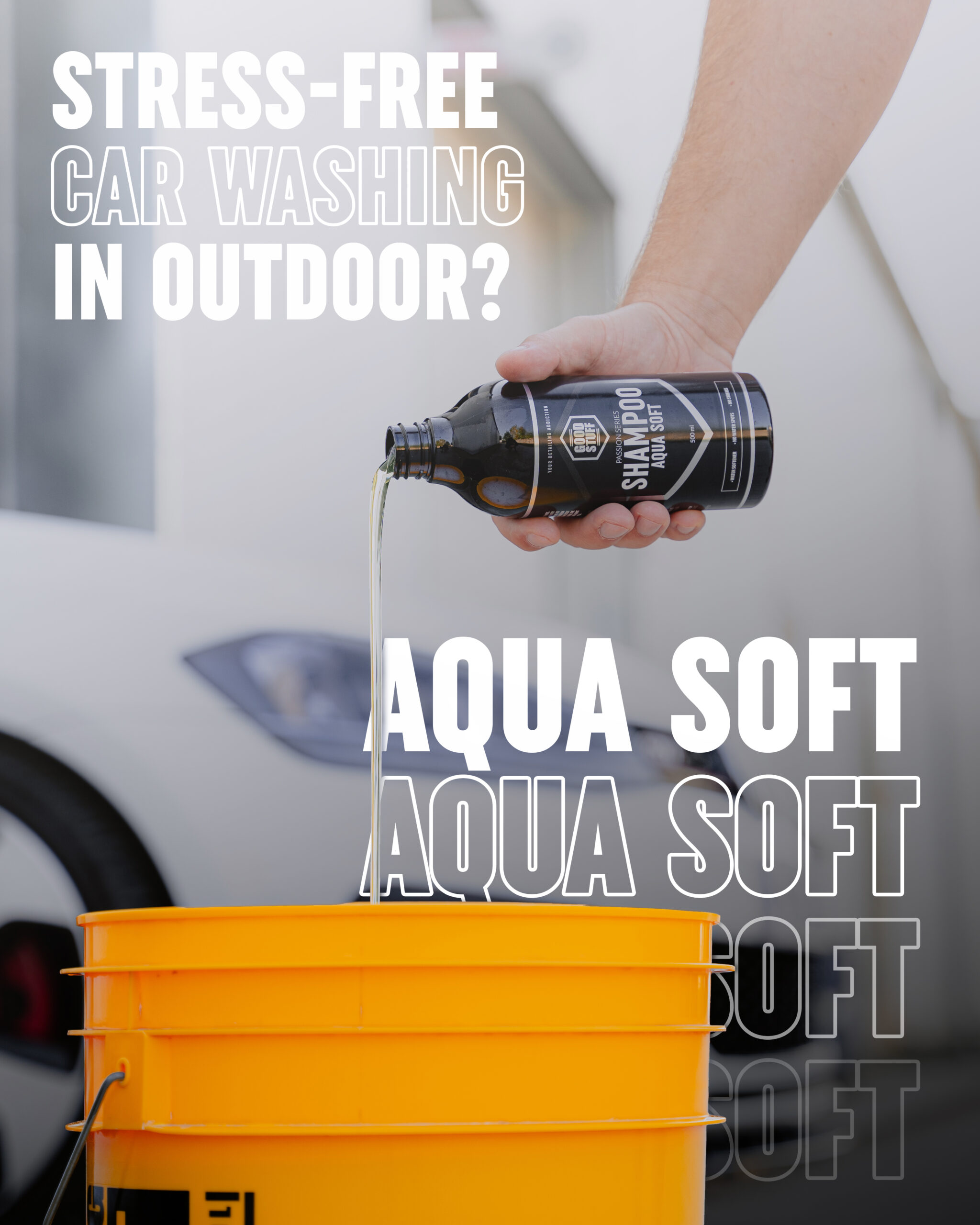
WHAT CAUSES WATER SPOTS ON CARS AFTER WASHING?
Water spots are rings, dots or cloudy marks that remain after water evaporates and leaves dissolved material behind. On cars, they can appear on paint, glass, chrome, trim, PPF and coatings. Hard water makes spotting more likely because it contains higher levels of dissolved minerals. The U.S. Geological Survey explains water hardness mainly through dissolved calcium and magnesium. Heat, direct sun and delayed drying speed up evaporation, which is why water spots often appear immediately after washing.
FRESH RESIDUE
A recent deposit may disappear after a proper rewash, rinse and immediate drying.
BONDED MINERALS
The mark resists shampoo and may need a dedicated automotive water-spot treatment.
ETCHED FINISH
The deposit is gone, but its outline remains because the clear coat was affected.
Faster evaporation leaves less working time.
More dissolved material can remain behind.
Droplets shrink and minerals become concentrated.
Mirrors, badges and trim release water later.
HOW TO PREVENT WATER SPOTS ON YOUR CAR.
To avoid water spots when washing a car, control the entire wash sequence: reduce dirt before contact, keep the surface from drying during the wash, rinse thoroughly and remove standing water promptly.
WASH IN SHADE
Choose early morning, late afternoon or an indoor wash bay. Cool hot panels before applying shampoo.
PRE-WASH FIRST
Remove loose dirt before touching the paint. Read why pre-wash matters.
USE CAR SHAMPOO
Use a dedicated lubricating formula. Our car shampoo guide explains the differences.
KEEP PANELS WET
Do not finish one side and leave it to air-dry while washing another. Re-wet the surface whenever necessary, especially in warm weather or when washing with hard water.
CONTROL THE FINAL RINSE
Rinse completely. On protected paint, a gentle open stream can help water sheet from large panels and reduce the amount of standing water that must be dried.
DRY AND RECHECK
Dry top-down, then inspect mirrors, handles, badges, grilles and panel gaps again after several minutes.
Cool paint and fast, controlled drying prevent more spotting than aggressive wiping after the deposit has already formed.
HOW TO WASH A CAR WITH HARD WATER.
You do not need to wash the entire vehicle with distilled water to reduce water spotting. Prioritize the final rinse, panel temperature and drying speed. Distilled, reverse-osmosis or deionized water contains far fewer dissolved minerals than typical hard tap water, so using lower-mineral water for the final rinse can reduce the residue left behind if small droplets remain. When local water is very hard, wash smaller sections and dry each area without delay.
RO or deionized water leaves less residue if a small amount remains.
Match the system to local water quality, flow and wash frequency.
Use a suitable maintenance shampoo with good lubrication and rinsing behavior.
Rinse more often and never allow completed panels to dry naturally.
AQUA SOFT SHAMPOO
A pH-neutral maintenance shampoo designed for washing with hard water. It supports lubrication and helps reduce the risk of fresh mineral deposits during the wash.
View Aqua Soft Shampoo →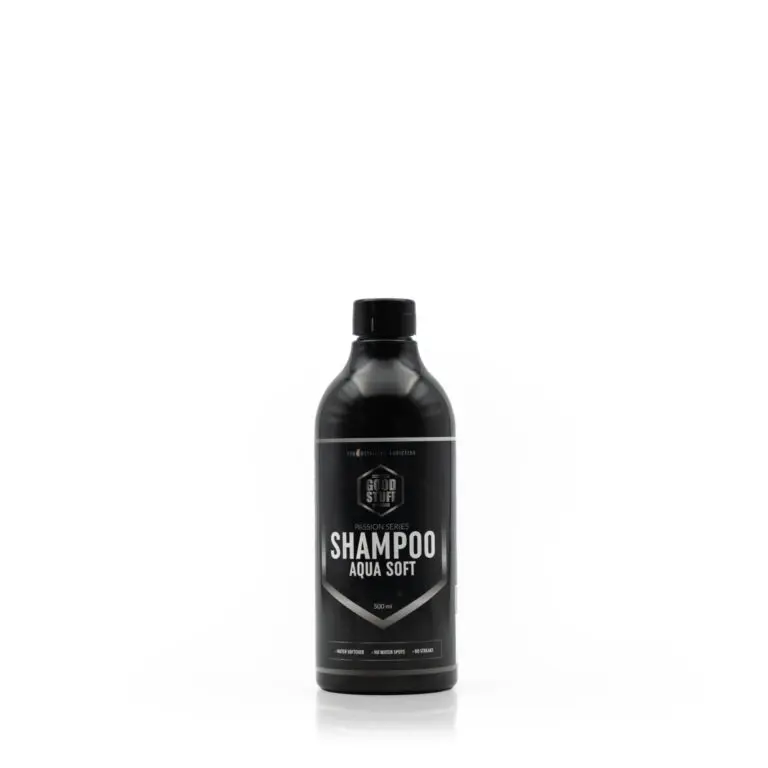
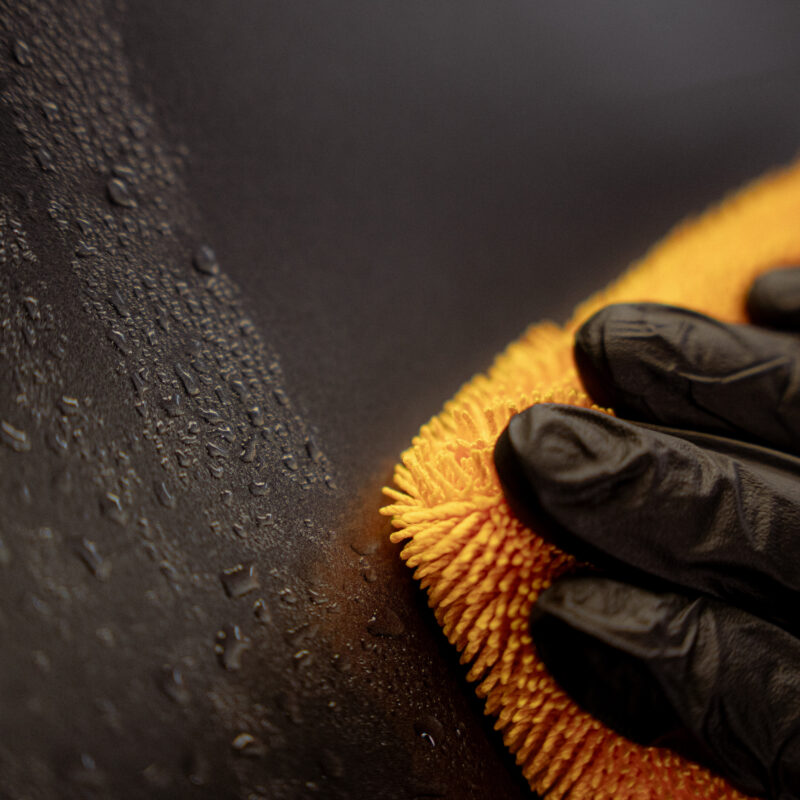
DRYING TOWELS FOR DIFFERENT JOBS
Each recommendation includes a real product image and a specific use case.

WORK STUFF KING
90 × 73 cm · 1100 GSM. High-capacity drying for roofs, hoods and large body panels.
View KING →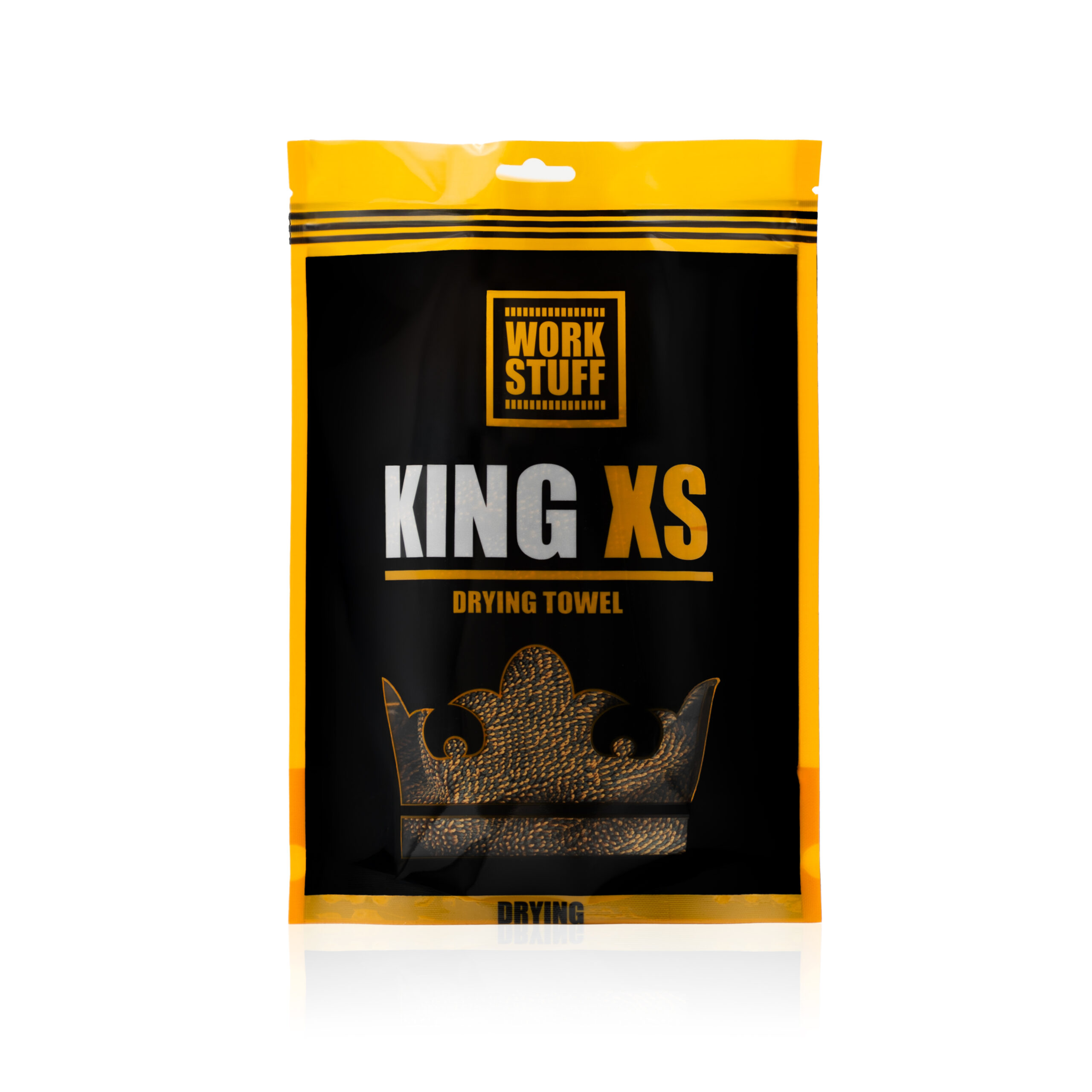
WORK STUFF KING XS
55 × 50 cm · 1000 GSM. Easier control around mirrors, bumpers and tighter areas.
View KING XS →
WORK STUFF MONSTER
90 × 73 cm · 515 GSM. Large format with lighter handling for efficient drying.
View MONSTER →Removing mineral residue does not automatically correct clear coat that has already been etched.
HOW TO REMOVE WATER SPOTS FROM CAR PAINT SAFELY.
If water spots are already visible on the paint, start with the least aggressive method and test a small area first. Fresh mineral residue may come off during a proper rewash, while bonded deposits can require a dedicated automotive water-spot remover. Avoid uncontrolled household acids, abrasive pads and immediate heavy polishing.
REWASH, RINSE AND DRY
Fresh marks may disappear after a proper maintenance wash on a cool panel.
USE A DEDICATED TREATMENT
For bonded minerals, follow the instructions of an automotive water-spot remover and never let it dry.
ASSESS POSSIBLE ETCHING
If the deposit is gone but the outline remains, paint correction or professional polishing may be required.
Wax, quick detailer or ceramic protection can improve future water behavior, but they do not remove an existing mineral mark. Clean first, then protect.
WATER SPOT PREVENTION FAQ.
Direct answers to common questions about washing a car with hard water and avoiding mineral deposits.
Why does my car have water spots after washing?
Water spots usually appear because rinse water evaporated before it was completely removed, leaving dissolved minerals on the surface. Hard water, hot paint and direct sun make this happen faster.
How do I prevent water spots after a car wash?
Wash cool panels in the shade, keep the vehicle wet until the final rinse, rinse thoroughly and dry immediately from the roof downward. Do not allow rinse water to air-dry on the surface.
Can I wash a car with hard water without leaving spots?
Yes. Work in smaller sections, keep panels wet, control the final rinse and dry without delay. If possible, use lower-mineral water for the final rinse when local tap water is very hard.
Does distilled water leave water spots?
Distilled water contains very little dissolved mineral material, so it is much less likely than hard tap water to leave mineral spots after evaporation. The surface can still show marks if it is contaminated, so proper washing and drying are still important.
Does wax or ceramic coating prevent water spots?
Protection can improve water behavior, but it does not make paint immune to mineral deposits or etching.
Can water spots damage car paint?
Fresh marks may only be mineral residue on the surface. If deposits remain for longer periods, especially on hot paint, they can become harder to remove and may leave visible etching that requires paint correction.


