
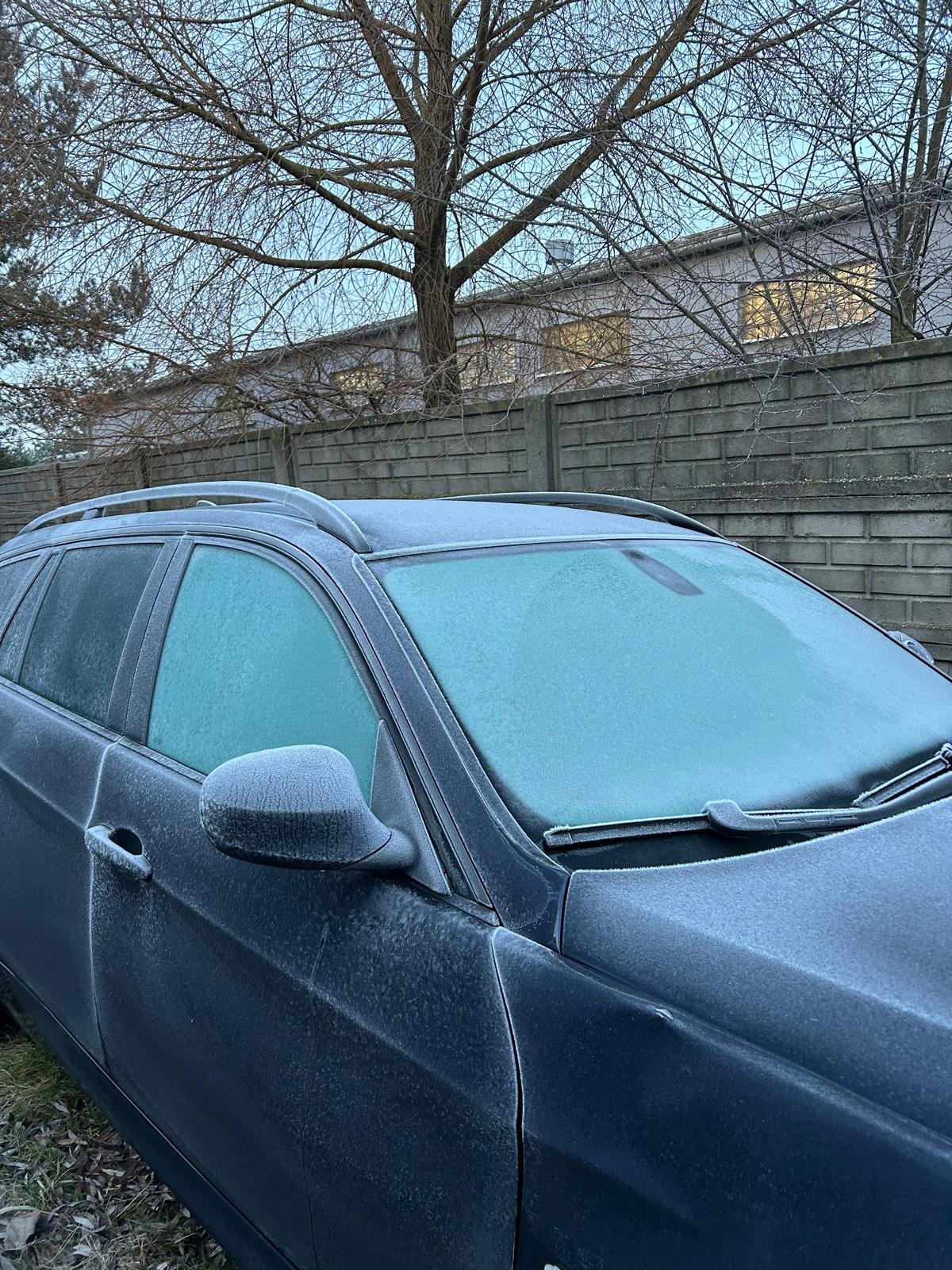
The safest way to remove ice from a car windshield is to soften the frozen layer first, then clear it without unnecessary force. A proper car de-icer can save time on cold mornings and reduce the amount of scraping needed.
This guide explains how to remove frost and ice from your windshield, windows, mirrors, headlights and exterior locks — including what to do with thick ice, frozen wipers and the winter shortcuts you should avoid.
What Is the Best Way to Remove Ice From a Car?
Brush away loose snow so the de-icer can reach the frozen layer underneath.
Spray the frozen glass evenly with a dedicated automotive de-icer.
Allow the product to loosen and melt the frost or ice.
Remove the softened layer with wipers, a clean cloth or a suitable scraper where necessary.
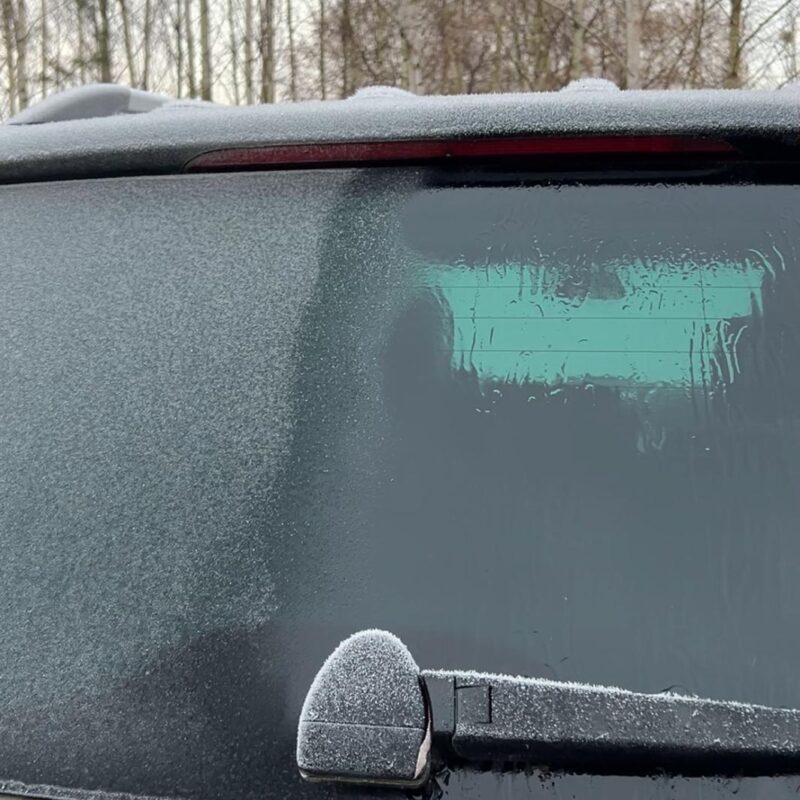
De-Icer, Ice Scraper or Hot Water — Which Method Is Safest?
Not every ice-removal method carries the same risk. The goal is to loosen the frozen layer before applying unnecessary mechanical force.
Ice itself is not the only concern when scraping a windshield. Winter glass can also carry road dirt and grit, so reducing pressure before touching the glass gives you much better control.
Softens frost and ice quickly and reduces the amount of scraping required.
A proper automotive scraper can be useful once the ice has softened. Keep the scraper and glass free from grit and avoid excessive pressure.
A sudden temperature change can put very cold automotive glass under thermal stress and may cause cracking.
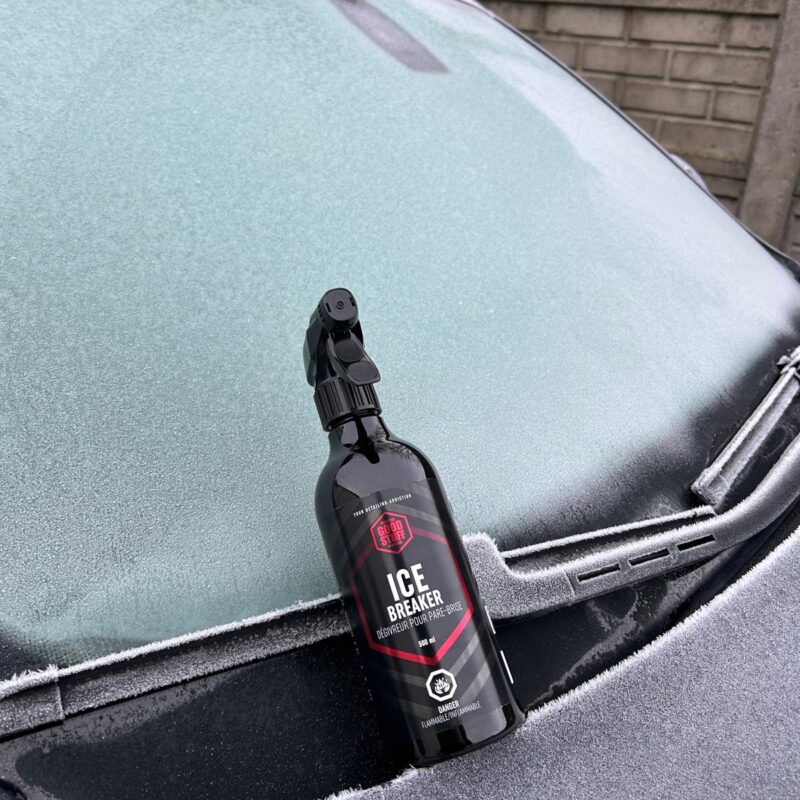
Good Stuff Ice Breaker De-Icer
Good Stuff Ice Breaker is a ready-to-use automotive de-icer developed to loosen frost and ice within seconds.
Spray it directly onto the frozen exterior surface, allow it to work and then remove the softened layer. For thicker ice, apply another light coat and allow additional working time.
- Ready-to-use formula
- Begins working within seconds
- Reduces the need for aggressive scraping
- No visible white residue
- For exterior glass, mirrors, headlights and locks
How to Remove Ice From Your Windshield Safely
Remove Loose Snow
Brush loose snow away from the windshield, side windows and mirrors. This allows the de-icer to reach the frost or ice instead of being absorbed by the snow layer.
Spray the Frozen Surface
Apply Ice Breaker evenly to the exterior frozen surface. Concentrate on the areas where ice is bonded to the glass.
Wait a Few Seconds
Allow the formula to loosen and melt the frozen layer. Light frost may release very quickly, while thicker ice can require additional working time.
Remove the Softened Ice
Once the frozen layer has loosened, clear it using the windscreen wipers, a clean cloth or a suitable automotive ice scraper when necessary.
Repeat on Thick Ice
If a heavy frozen layer remains, apply a second light coat instead of immediately increasing scraping pressure.
How to Remove Thick Ice From a Car Windshield
Thick ice may not release completely after one application. Do not try to break it by hitting the glass or forcing a scraper beneath a solid frozen layer.
Instead, allow the vehicle's windscreen heating system and de-icer to work together. Once the outer layer begins to soften, clear it gradually.
How to Remove Ice From Windshield Wipers
Before switching the wipers on, check that the blades are not frozen to the windshield.
Activating wipers that are still bonded to the glass can put unnecessary load on the mechanism and may damage the rubber blade.
- Do not pull frozen blades forcefully. Allow the ice around the rubber to soften first.
- Apply de-icer around the frozen area. Give it a few seconds to loosen the ice.
- Free the blade gently. Only move it once it separates from the glass without resistance.
- Clear ice from the rubber edge. Make sure the blade can sit flat against the glass before using it.
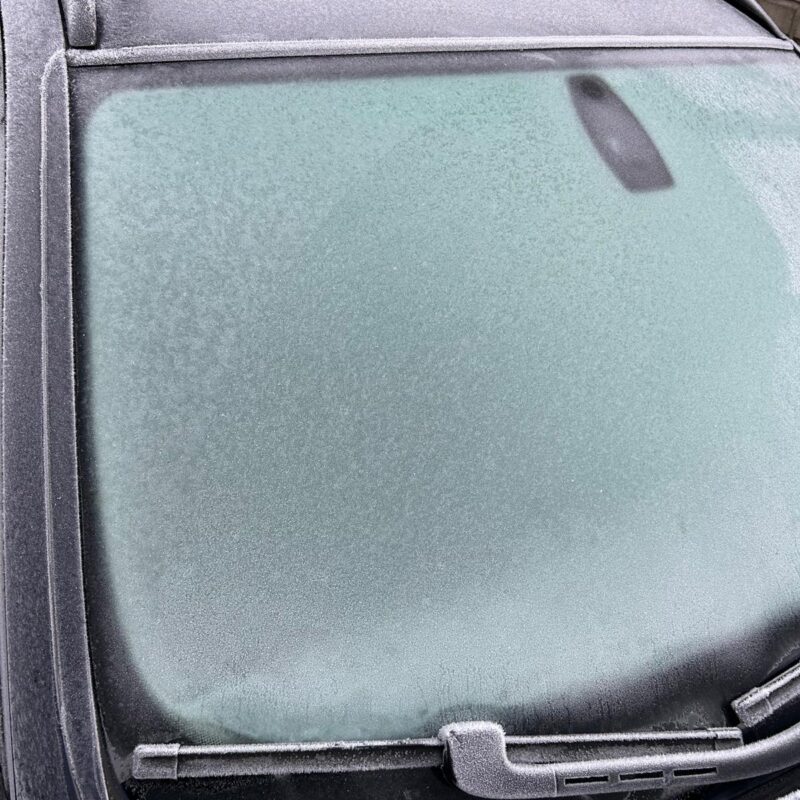
Where Can You Use a Car De-Icer?
Loosen frost and ice before clearing the main field of vision.
Restore visibility before driving, especially around junctions and mirrors.
Clear frozen mirror glass without aggressive mechanical pressure.
Remove frost or ice that reduces the useful light output.
Ice Breaker can also be used to loosen frozen exterior lock mechanisms.
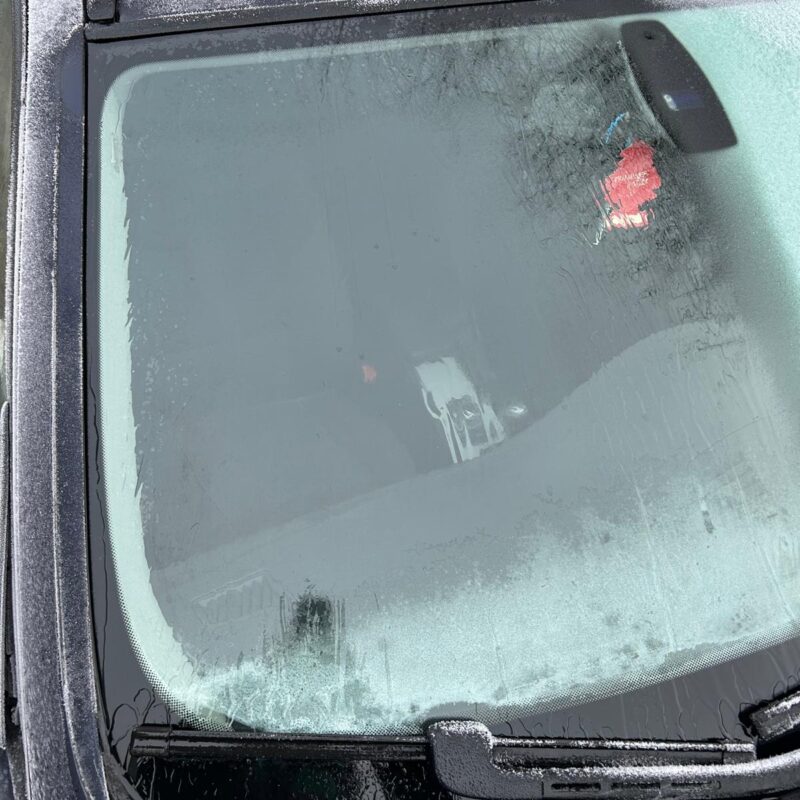
Clear the Whole Field of Vision
Do not create only a small opening in the frozen windshield and drive away.
Clear the windshield, side windows and mirrors sufficiently to give yourself proper visibility before moving the vehicle. Also remove loose snow that could slide onto the glass while driving.
Clear the complete viewing area, not only a small section in front of the driver.
Make sure side visibility is restored before entering traffic.
Remove snow that could slide or blow onto the glass after you start driving.
What Should You Avoid When De-Icing a Car?
Hot Water
A major temperature difference can place very cold glass under thermal stress.
Metal Tools
Do not attack automotive glass with metal blades or improvised sharp objects.
Excessive Scraping
Let the frozen layer soften first rather than forcing a scraper across solid ice and winter grit.
Frozen Wipers
Do not switch the wipers on until you know the blades have released from the glass.
Driving With Limited Visibility
Clear enough glass and mirrors to see properly in every direction before leaving.
Random Internet Hacks
A purpose-made automotive de-icer gives you a predictable method without experimenting on the windshield.
Does Glass Cleaner Melt Ice?
A normal automotive glass cleaner and a windshield de-icer have different jobs.
Use a dedicated de-icer for frozen surfaces. Once the winter contamination is gone and the vehicle is no longer frozen, a product such as Good Stuff Glass Cleaner can be used for normal glass cleaning.
Car Ice Removal FAQ
What is the fastest safe way to remove ice from a windshield?
Remove loose snow, switch on the vehicle's defrost system, apply a dedicated automotive de-icer and allow the frozen layer to soften before clearing it. Thick ice may require a second application.
Can I use an ice scraper on a car windshield?
Yes, a proper automotive ice scraper can be used carefully on exterior glass. Avoid metal or improvised tools, keep grit away from the scraping surface and let heavy ice soften first so excessive pressure is unnecessary.
Can I pour hot water on an icy windshield?
No. Sudden heating of very cold automotive glass can create thermal stress and may cause the windshield to crack, particularly if the glass already contains a chip or other damage.
How do you remove thick ice from a car?
Use the vehicle's defrost system together with an automotive de-icer. Allow the outer layer to soften and repeat the de-icer application if necessary rather than forcing or striking the frozen glass.
Can you use Ice Breaker on side mirrors?
Yes. Good Stuff Ice Breaker is intended for frozen exterior glass and can also be used on side mirrors.
Can you use Ice Breaker on headlights?
Yes. Ice Breaker can be used on frozen exterior headlights as well as glass, mirrors and locks.
Can I use Ice Breaker on frozen door locks?
Yes. Exterior locks are among the surfaces listed for Ice Breaker. Apply the product to the frozen area and allow it to work before forcing the mechanism.
Should I use the windshield wipers to remove ice?
Only after the blades are free from the windshield and the ice has softened. Never activate wipers that are still frozen to the glass.
Does regular glass cleaner remove ice?
A regular glass cleaner is intended for cleaning glass rather than de-icing it. Use a dedicated automotive de-icer when frost or ice is present.
Soften the Ice Before You Remove It
Safe winter glass care does not require attacking a frozen windshield with force.
Remove loose snow, apply Ice Breaker, allow the frozen layer to loosen and then clear the glass. If the ice is thick, repeat the process instead of immediately scraping harder.


