
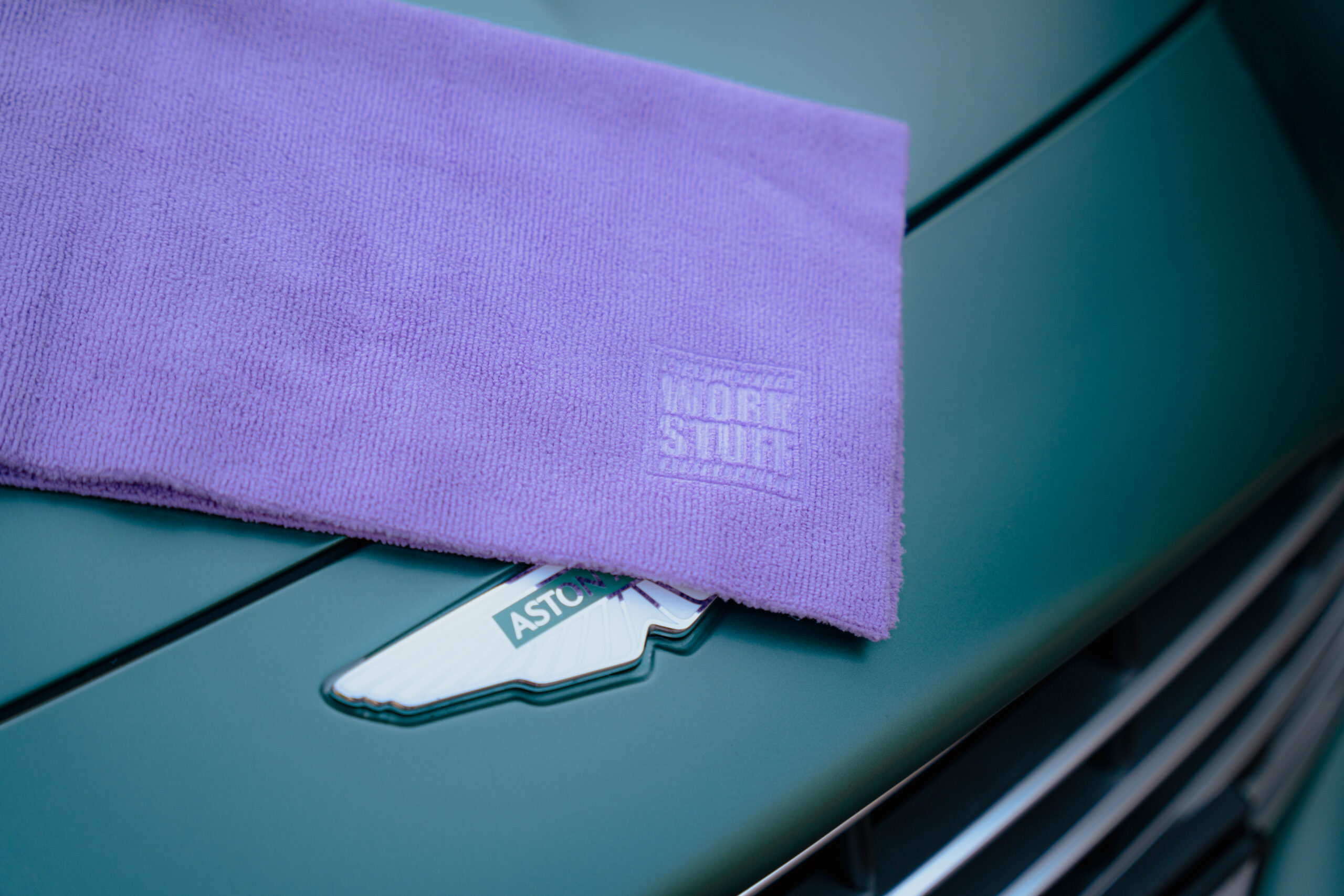
Properly washing microfiber towels is one of the easiest ways to protect both the towels and the surfaces you use them on. Detailing microfiber collects water, polish, wax, quick detailer, interior products, dirt and other residues every time it is used.
The goal is simple: remove that contamination without coating the fibers with softener, damaging them with excessive heat or mixing clean paint towels with heavily contaminated detailing textiles.
How Should You Wash Microfiber Towels for Car Detailing?
Separate microfiber from ordinary laundry and group heavily contaminated towels separately.
Use a dedicated microfiber detergent and avoid fabric softener and bleach.
Follow the towel care label and avoid unnecessarily high washing temperatures.
Air dry or tumble dry only when the towel instructions allow it, using low or no heat.
Why Properly Washing Detailing Microfiber Matters
Microfiber works because thousands of fine fibers interact with water, dirt and detailing products. During normal use, those fibers gradually collect contamination that can reduce softness, absorbency and cleaning performance.
Absorbency
Drying towels need clean fibers to pick up water efficiently.
Softness
Residue, dirt and improper washing can leave microfiber feeling noticeably less soft.
Product Residue
Wax, polish, detailers and interior chemicals can remain trapped inside the fibers.
Surface Safety
Clean towels reduce the chance of transferring old dirt and residue back onto delicate surfaces.
Separate Microfiber Towels Before Washing
Do not simply throw every detailing towel into one mixed laundry load. Microfiber easily picks up lint and contamination from other textiles, so wash it separately from normal clothing and cotton towels.
It is also useful to separate towels according to how dirty they are and where they were used.
Remove Loose Dirt Before the Towels Enter the Machine
Check each towel before washing. Shake out loose debris and inspect the fibers for grit, sharp particles or contamination that should not go back into a paint-safe towel.
Use a Dedicated Microfiber Detergent
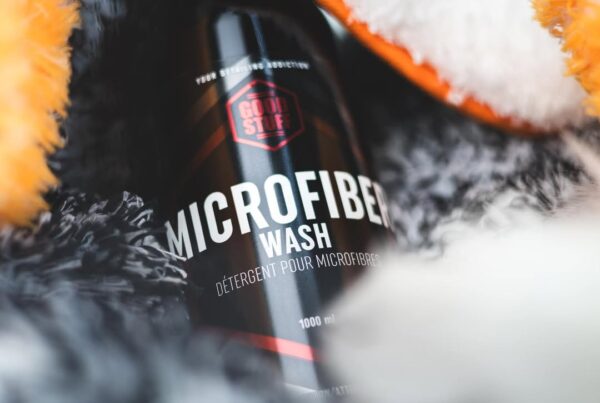
Good Stuff Microfiber Wash is made specifically for detailing towels, drying towels, microfiber mitts, applicators and compatible pads.
It is designed to remove detailing residue such as wax, polish and other product buildup while helping microfiber maintain or recover its absorbency and soft feel.
- Use 50 ml per wash load of up to 5 kg of textiles.
- Avoid fabric softener.
- Avoid bleach.
- Wash microfiber separately from lint-producing textiles.
Pre-Soak Heavily Soiled Microfiber Before Washing
Towels used for polish removal, wax, dirty interior work or other heavy detailing jobs may need more than a normal machine wash.
In that case, use the Microfiber Wash pre-soak procedure before putting the textiles into the washing machine.
After soaking, continue with the normal machine-wash process.
How to Wash Microfiber Towels in a Washing Machine
Machine washing is suitable for detailing microfiber. The safest exact settings depend on the textile manufacturer, so always check the towel care label.
- Load microfiber only. Keep ordinary clothing, cotton towels and other lint-producing textiles out of the load.
- Add the correct detergent dose. For Good Stuff Microfiber Wash, use 50 ml for up to 5 kg of textiles.
- Select an appropriate cycle. Use the textile manufacturer's recommended washing settings rather than unnecessarily aggressive heat.
- Do not add softener or bleach. Both can reduce microfiber performance.
- Remove towels when the cycle ends. Do not leave damp microfiber sitting in the machine longer than necessary.
How Should You Dry Microfiber Towels?
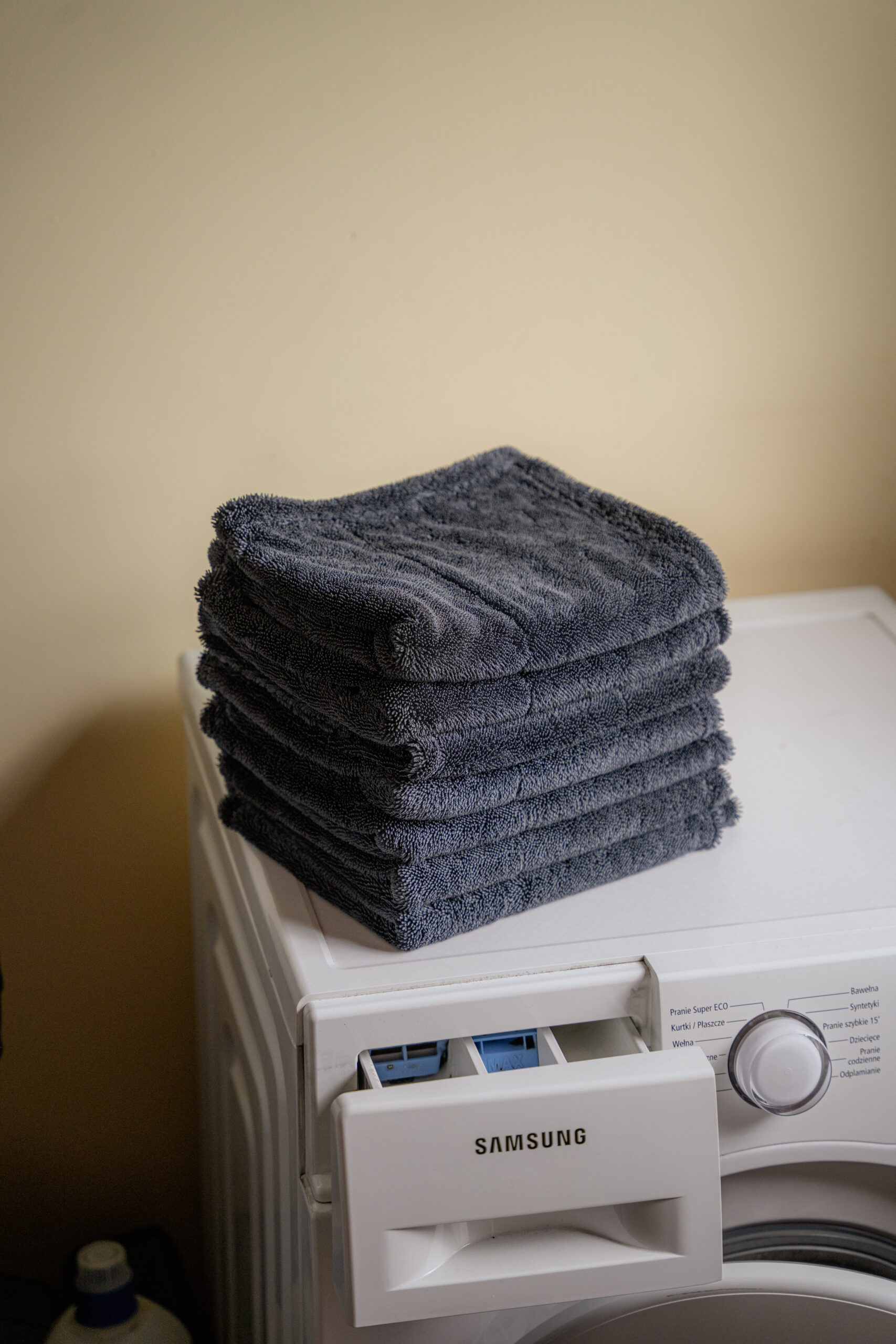
Excessive heat is one of the easiest ways to shorten the useful life of microfiber. Dry according to the care instructions supplied with the towel.
Air Dry
A simple low-heat option. Keep towels in a clean area where they cannot collect dust or dirt while drying.
Tumble Dry Carefully
If tumble drying is permitted by the towel manufacturer, choose low or no heat rather than a hot drying programme.
Never Iron
Direct high heat is unnecessary and can damage detailing microfiber.
Store Clean Microfiber Away From Dust
Washing towels correctly does little good if they immediately collect workshop dust, grit or contamination again.
Make sure microfiber is completely dry before storing it, then keep clean towels in a closed cabinet, drawer, bag or sealed container.
What Detailing Microfiber Can You Wash?
High-absorbency microfiber used after the contact wash.
General Detailing WORKER MicrofiberGeneral-purpose microfiber for interior cleaning and product removal.
Glass ZEPHYR Waffle TowelWaffle microfiber designed for automotive glass and mirrors.
Contact Wash STORM Wash MittMicrofiber wash mitt that also needs proper cleaning after use.
Common Microfiber Washing Mistakes
Fabric Softener
It can coat the fibers and reduce the towel's ability to absorb water effectively.
Bleach
Avoid bleach when caring for detailing microfiber.
High Heat
Unnecessarily high washing or drying temperatures can damage microfiber performance.
Mixed Laundry
Washing microfiber with lint-producing textiles can leave fibers contaminated with lint.
Mixing Very Dirty Towels
Wheel and heavily contaminated towels should not automatically be washed with premium paint towels.
Ignoring Trapped Debris
Inspect microfiber before reusing it on delicate paint, even after washing.
What If a Microfiber Towel Stops Absorbing Water?
Loss of absorbency is often linked to residue remaining inside the fibers. A dedicated microfiber detergent and a proper wash can help remove that buildup and restore performance.
For heavily loaded towels, use the pre-soak process before machine washing.
If a towel still feels rough, contains trapped particles or no longer feels safe for delicate paint, move it to a less sensitive detailing job instead of forcing it back into paintwork use.
Microfiber Towel Washing FAQ
Can you wash microfiber towels in a washing machine?
Yes. Detailing microfiber can be machine washed. Keep it separate from lint-producing textiles and follow the towel manufacturer's care instructions.
What should you wash microfiber towels with?
For detailing towels, use a dedicated microfiber detergent such as Good Stuff Microfiber Wash. It is designed to remove wax, polish and detailing-product residue while supporting microfiber absorbency and softness.
Can you use fabric softener on microfiber towels?
No. Avoid fabric softener because it can coat the fibers and reduce absorbency and cleaning performance.
Can you use bleach on microfiber towels?
Avoid bleach when washing detailing microfiber. Good Stuff Microfiber Wash is designed to clean microfiber without relying on bleach.
How much Microfiber Wash should I use?
Use 50 ml of Good Stuff Microfiber Wash for a machine-wash load of up to 5 kg of textiles.
How do you wash heavily contaminated microfiber towels?
Pre-soak them using 50 ml of Microfiber Wash in 1 litre of warm water for 30–40 minutes, then continue with the normal machine-wash process.
Can microfiber towels go in the dryer?
Check the care label for the specific towel. When tumble drying is permitted, use low or no heat rather than a high-temperature programme.
Should you wash microfiber towels separately?
Yes. Keep microfiber separate from normal lint-producing laundry. Within your detailing microfiber, it is also sensible to separate heavily contaminated towels from premium paint and drying towels.
How should you store clean microfiber towels?
Let them dry completely and keep them in a closed, clean storage area so they do not collect dust or grit before their next detailing job.
Good Microfiber Care Starts After the Detailing Job Ends
Sorting, washing and drying microfiber correctly helps keep detailing towels soft, absorbent and ready for their next job.
Keep microfiber away from lint-producing laundry, use a dedicated detergent, pre-soak heavily contaminated towels when necessary, avoid softener and bleach and protect the fibers from unnecessary heat.


