Salt Season Is Not Over Yet
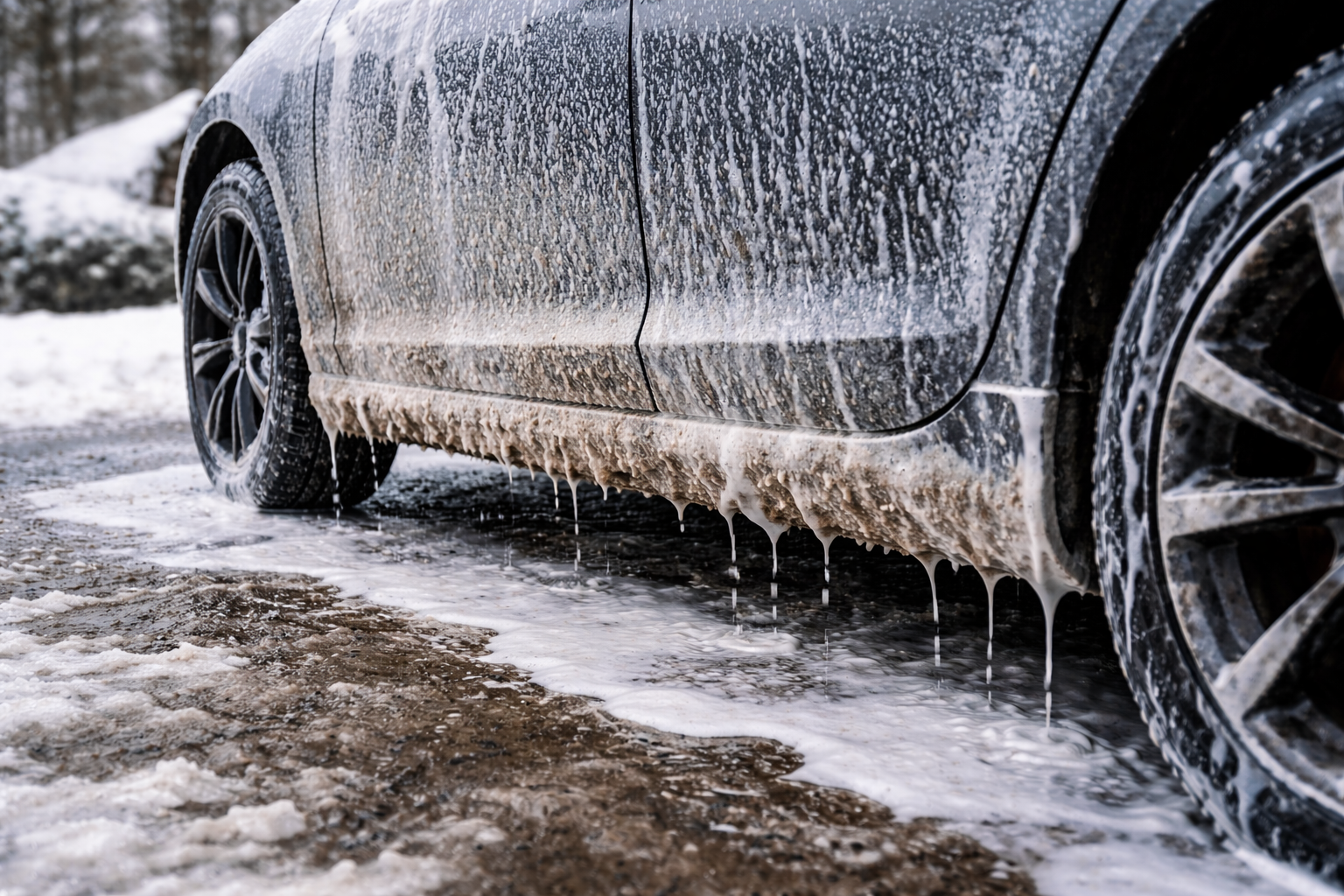
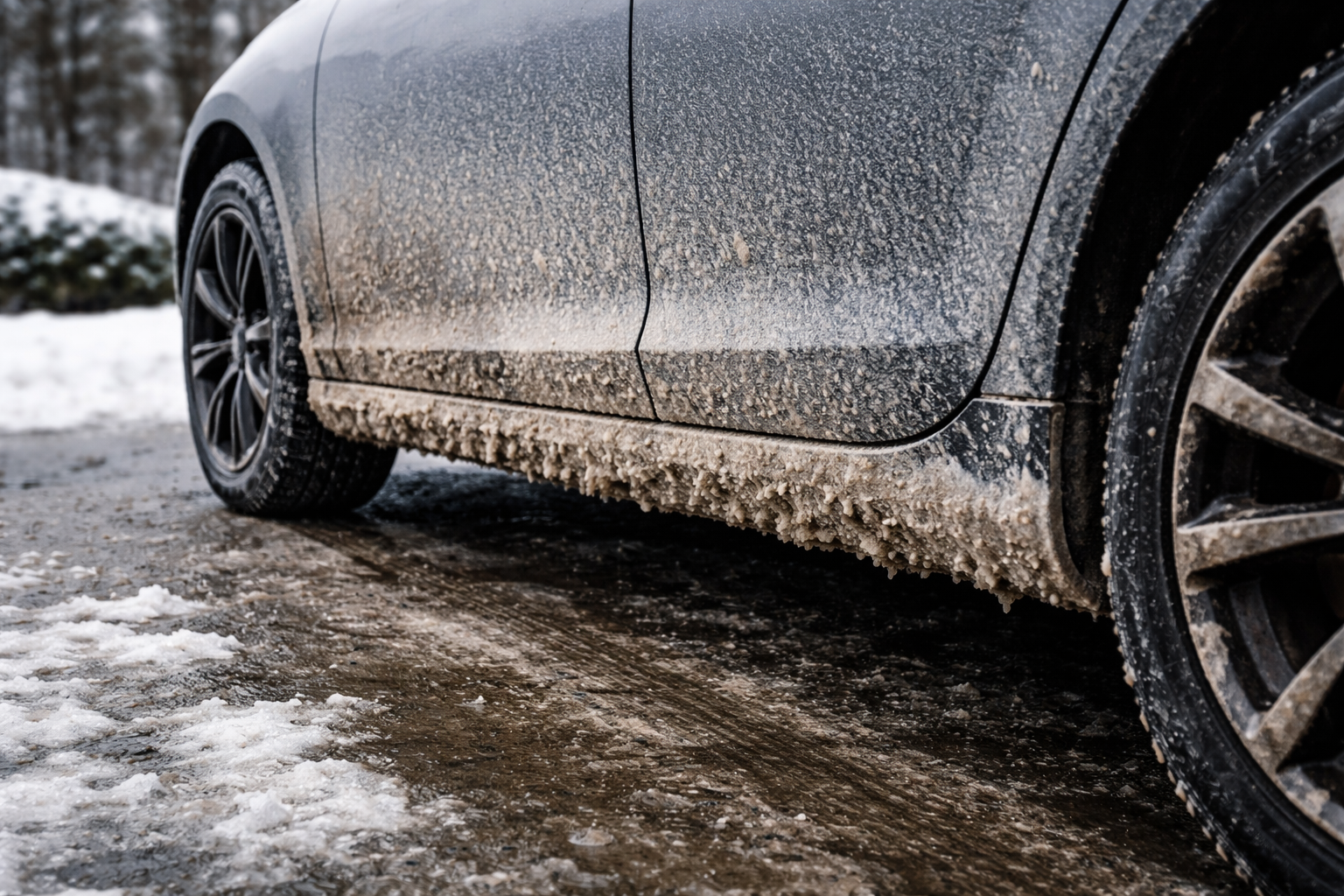
February may feel like winter is ending, but road salt is still actively attacking your car. Even when roads look dry, salt residue remains on the surface, especially on lower panels, wheels, and underbody areas.
Road salt doesn’t just make your car dirty — it accelerates corrosion, traps moisture against the paint, weakens protective layers, and leaves behind a dull, hazy finish. As temperatures rise and snow melts, that salt becomes even more reactive.
If you wait until spring to deal with it, the damage may already be progressing.
A proper late-winter wash isn’t just cosmetic. It’s preventive maintenance — and it starts with the right chemistry and the right process.
Why Road Salt Is So Harmful
Road salt doesn’t just sit on the surface.
-
It is hygroscopic – it attracts moisture from the air.
-
It accelerates oxidation and corrosion.
-
It weakens waxes and sealants.
-
It clogs ceramic coatings.
-
It creates dull, hazy paint appearance.
Even when the road looks dry, salt residue remains active.
That’s why a basic wash is not enough.
Step 1 – Break Down Salt and Traffic Film (TFR Stage)
Salt bonds with winter grime and traffic film.
You need a strong pre-wash stage.
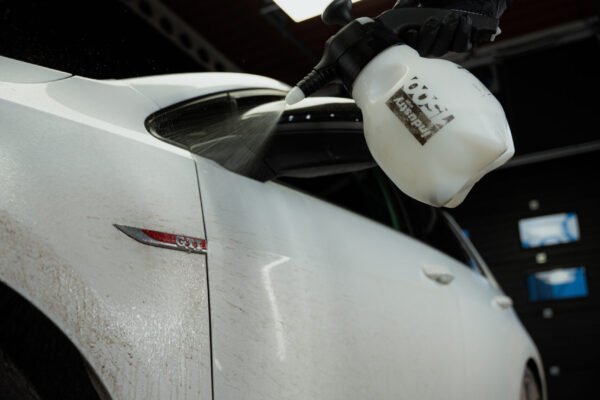
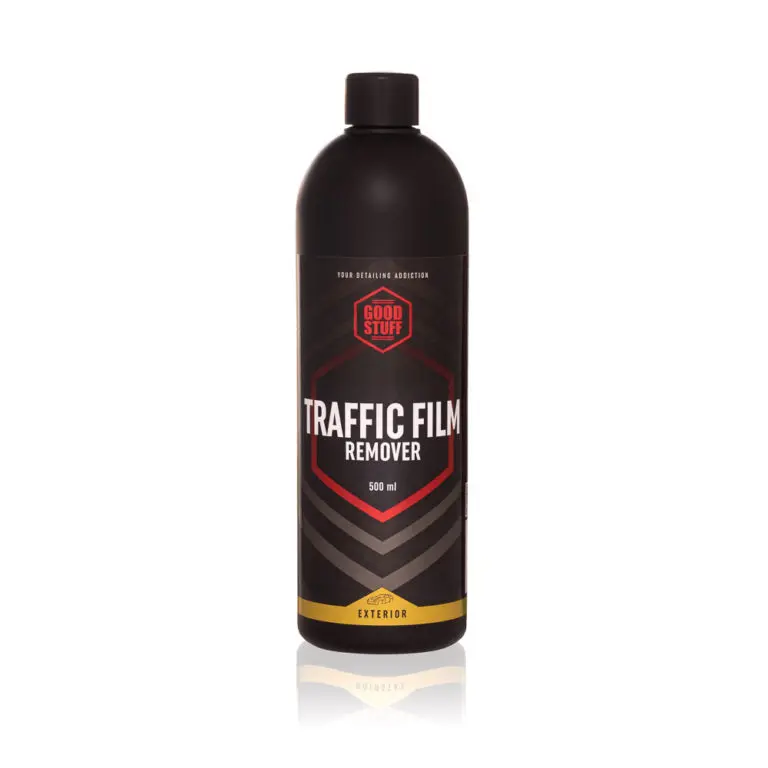
Use Traffic Film Remover (TFR) as the first step.
Why TFR is essential:
-
It dissolves heavy road contamination.
-
It targets oily winter film.
-
It reduces the need for aggressive contact washing.
-
It prepares the surface for proper shampoo cleaning.
How to use:
-
Apply to a dry surface.
-
Allow short dwell time.
-
Do not let it dry.
-
Rinse thoroughly with pressure.
This stage removes the majority of winter contamination before you touch the paint.

Step 2 – Choose the Right Shampoo (Very Important)
After TFR, your shampoo choice depends on whether the car is protected or not.
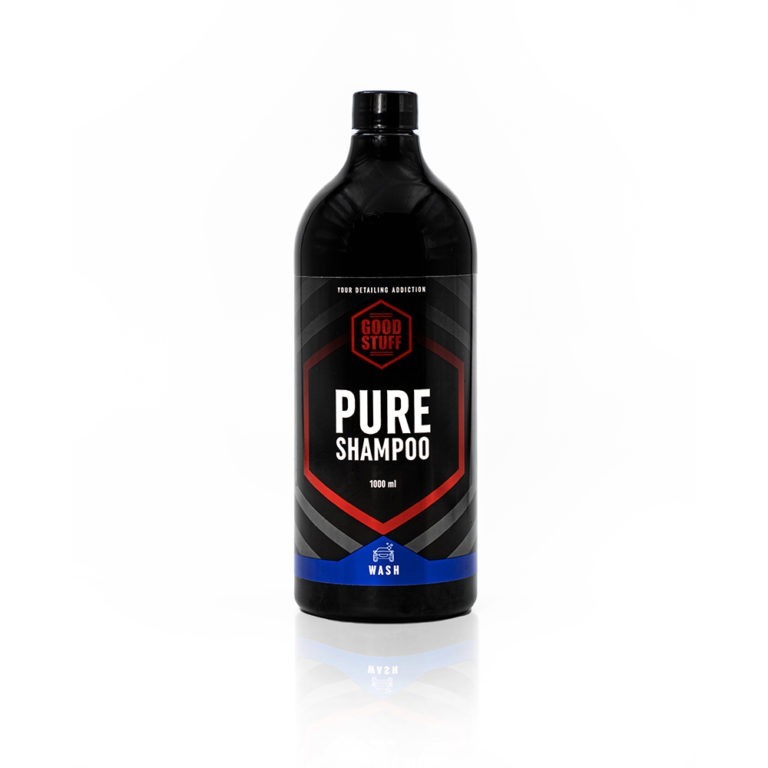
🚗 For Unprotected Cars – Use Pure Shampoo
If the vehicle has no coating or sealant, use Pure Shampoo.
Why:
-
Safe for regular clear coat.
-
Effective at removing remaining salt residue.
-
Neutral formula for maintenance washes.
-
Strong enough to clean winter grime without damaging paint.
This ensures a deep but safe cleaning for untreated surfaces.
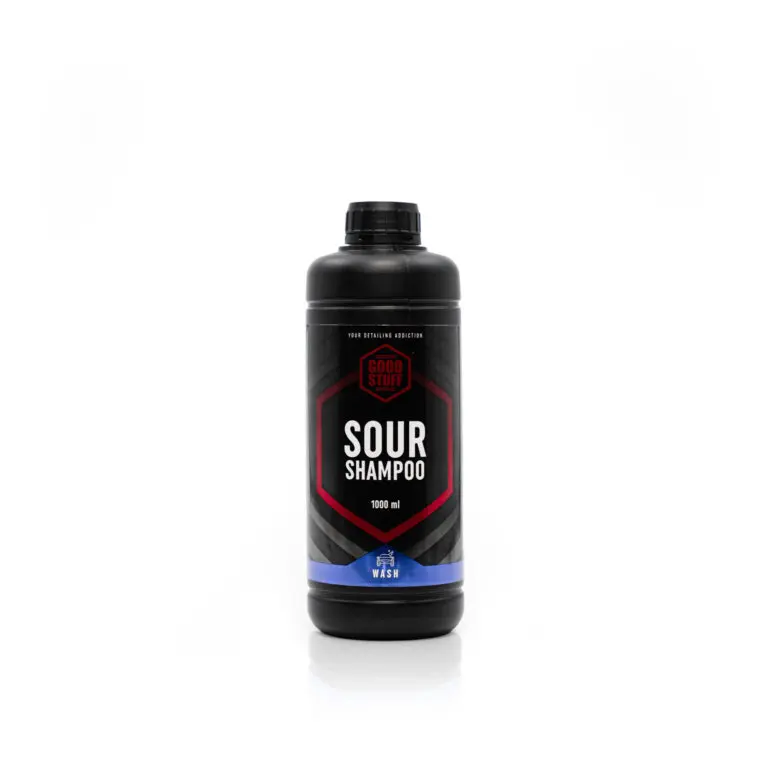
🚙 For Coated Cars – Use Sour Shampoo
If the car has a ceramic coating or protection layer, winter salt can clog it.
This is where Sour Shampoo becomes critical.
Why Sour Shampoo works:
-
Slightly acidic formula.
-
Removes mineral deposits.
-
Decontaminates coating surface.
-
Restores hydrophobic performance.
-
“Unclogs” the coating safely.
Many people think their coating failed after winter.
In reality, it’s just blocked by mineral buildup and salt residue.
Sour Shampoo resets that surface.
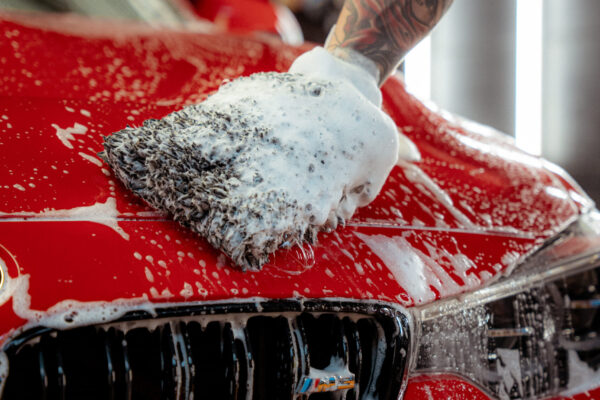
Step 3 – Proper Washing Technique
To minimize additional damage:
-
Use a clean wash mitt.
-
Work top to bottom.
-
Rinse frequently.
-
Pay extra attention to lower panels and wheel arches.
Winter contamination accumulates mostly on:
-
rocker panels
-
rear bumper
-
wheel barrels
-
underbody edges
Step 4 – How to Finish the Wash (Restore Protection)
After salt removal, protection is usually weakened.
You should:
-
Apply a spray sealant, or
-
Use a protective quick detailer.
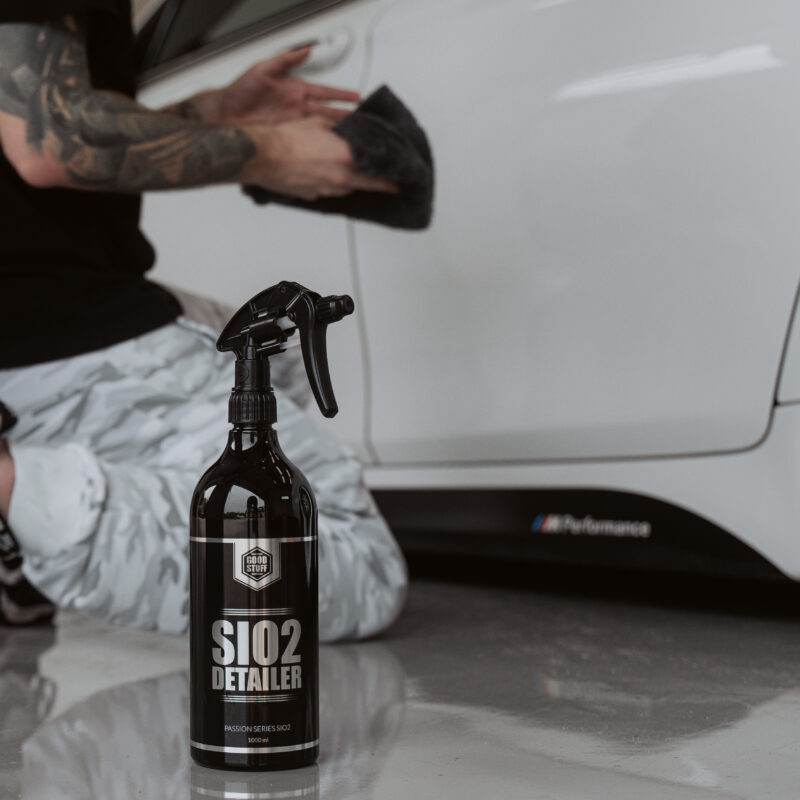
You can use a SiO2 Detailer after your wash. It helps:
-
Restore gloss and slickness
-
Add temporary protection to uncoated cars
-
Improve water repellency
-
Make future washing easier
Skipping this stage means your paint remains exposed.
Wheels and Lower Panels – Critical Areas
Salt is most aggressive on:
-
brake components
-
wheel barrels
-
suspension parts
-
lower body panels
Use proper wheel cleaners and rinse thoroughly.
Salt corrosion starts here first.
How Often Should You Remove Road Salt?
In heavy winter conditions:
-
Every 2–3 weeks minimum.
-
Immediately after snowstorms.
-
Always before temperatures rise above freezing consistently.
Late winter detailing prevents long-term corrosion.
The Right Accessories Make the Process Safer
Working with strong winter chemistry is much easier — and safer — when you use the right accessories.
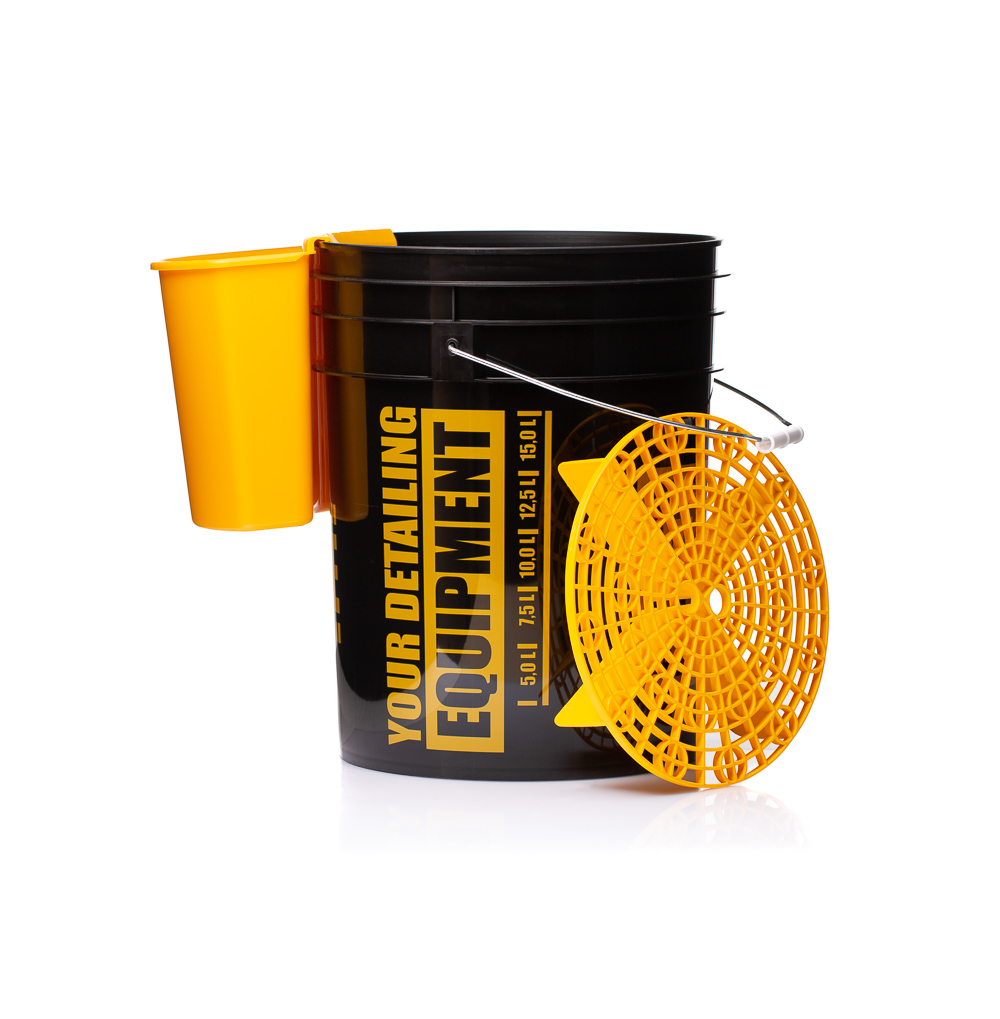
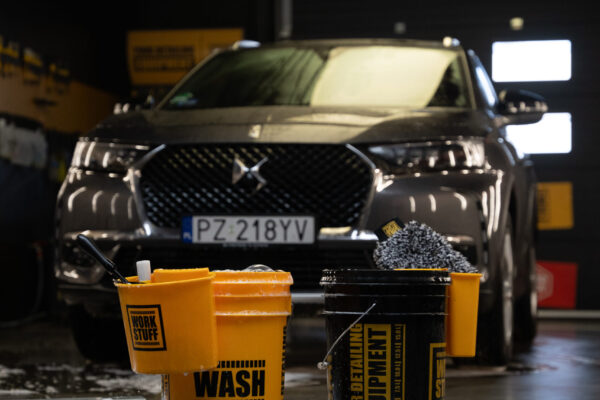
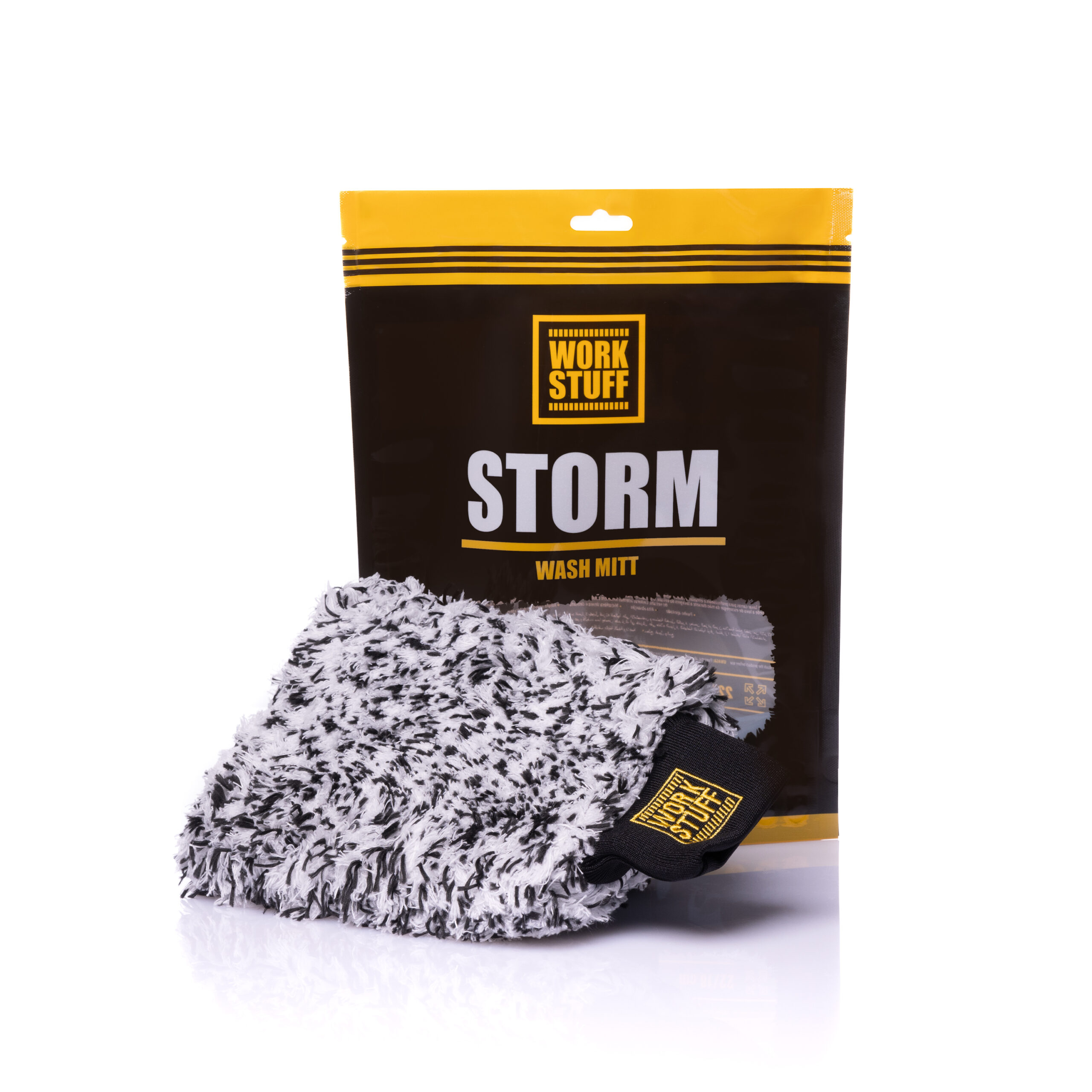
A high-quality wash mitt like the Storm Wash Mitt helps lift contamination away from the surface instead of dragging salt particles across the paint. Combined with a Detailing Bucket with Separator, you significantly reduce the risk of reintroducing grit back onto the surface during contact washing.
Adding a Bucket Hanger keeps your brushes and accessories organized and off the ground, preventing cross-contamination between wheels, lower panels, and paintwork.
Good chemistry removes the salt — the right tools make sure you don’t create scratches while doing it.
Conclusion
Road salt damage doesn’t happen overnight — but February is when it accelerates the most. Melting snow, fluctuating temperatures, and constant moisture keep salt active on your paint, wheels, and lower panels. Even if your car looks relatively clean, salt residue can still be working beneath the surface.
A proper late-winter wash is not just about improving appearance. It’s about stopping corrosion, restoring protection, and preparing your vehicle for spring conditions. Using Traffic Film Remover to break down contamination, choosing the right shampoo for your protection level, and finishing with a SiO₂-based detailer creates a complete reset process.
Think of this as a seasonal transition detail — removing what winter left behind and rebuilding your protection before warmer, wetter months arrive.
Handle it now, and your car will enter spring cleaner, glossier, and properly shielded against what comes next.
Find a Store in Your Neighborhood
Looking to buy Good Stuff products? Our car cosmetics are available at various retailers, making it easy for you to find what you need. Simply choose your desired product and explore nearby stores that carry it, ensuring you get the best cosmetics for exceptional car care. We recommend using the highest quality accessories like Work Stuff to ensure maximum effective car washing.
TRAFFIC FILM REMOVER
PURE SHAMPOO
SiO2 DETAILER

STORM WASH MITT
SOUR SHAMPOO
DETAILING BUCKET