How to decontaminate car paint safely using chemical and mechanical decontamination.
Even after a thorough car wash, paint can still feel rough because bonded contamination remains attached to the clear coat. Iron fallout, road film, tar, tree sap and other deposits cannot always be removed with shampoo alone.
Paint decontamination removes these contaminants before polishing, waxing, sealing or applying a coating. A complete process normally combines chemical decontamination with mechanical decontamination when necessary.
In this guide, we’ll explain what car paint decontamination is, how to decontaminate car paint safely and which steps to use depending on the type of contamination.
What Is Paint Decontamination?
Paint decontamination is the process of removing bonded contamination that remains on a vehicle after normal washing. Unlike loose dirt, these particles attach themselves to the paint surface and often require dedicated chemical products or mechanical claying to remove them safely.
Common paint contaminants include:
– Iron fallout and brake dust particles
– Road film and oily traffic contamination
– Tar, tree sap and insect residue
– Industrial fallout and other bonded deposits
Removing this contamination leaves the paint smoother and creates a cleaner surface before polishing or applying wax, sealant or coating protection.

Three Essential Stages of Decontamination


1. Pre-Wash and Wash the Car
Before paint decontamination begins, remove as much loose dirt and road film as possible. A proper pre-wash reduces contamination before the contact wash and gives the decontamination products a cleaner surface to work on.
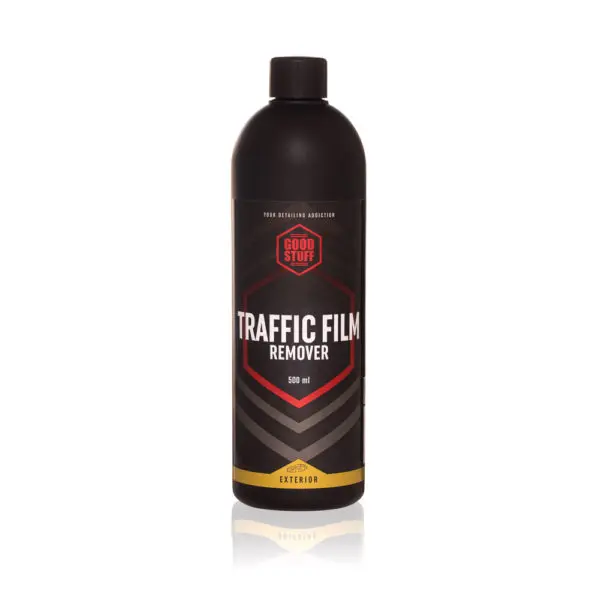
For heavier road film, Traffic Film Remover can be used during the pre-wash stage. Follow with a thorough contact wash using a suitable car shampoo before moving on to chemical decontamination.
2. Chemical Decontamination – Iron Remover
After washing, inspect the paint for bonded metallic contamination. Iron fallout from brake dust, rail dust and other ferrous particles can embed themselves in the paint and may not be removed during normal washing.
Apply Iron Remover to dissolve these particles chemically. Allow the product to react according to the instructions, then rinse the surface thoroughly.
Chemical decontamination should generally be completed before claying because it reduces the amount of contamination the clay bar must physically remove.
3. Mechanical Decontamination
If the paint still feels rough after chemical decontamination, mechanical decontamination may be necessary. A clay bar physically lifts bonded contamination that remains attached to the paint after washing and chemical treatment.
Always use clay with plenty of lubrication and light pressure. The goal is to remove remaining contamination without unnecessarily increasing friction against the paint.

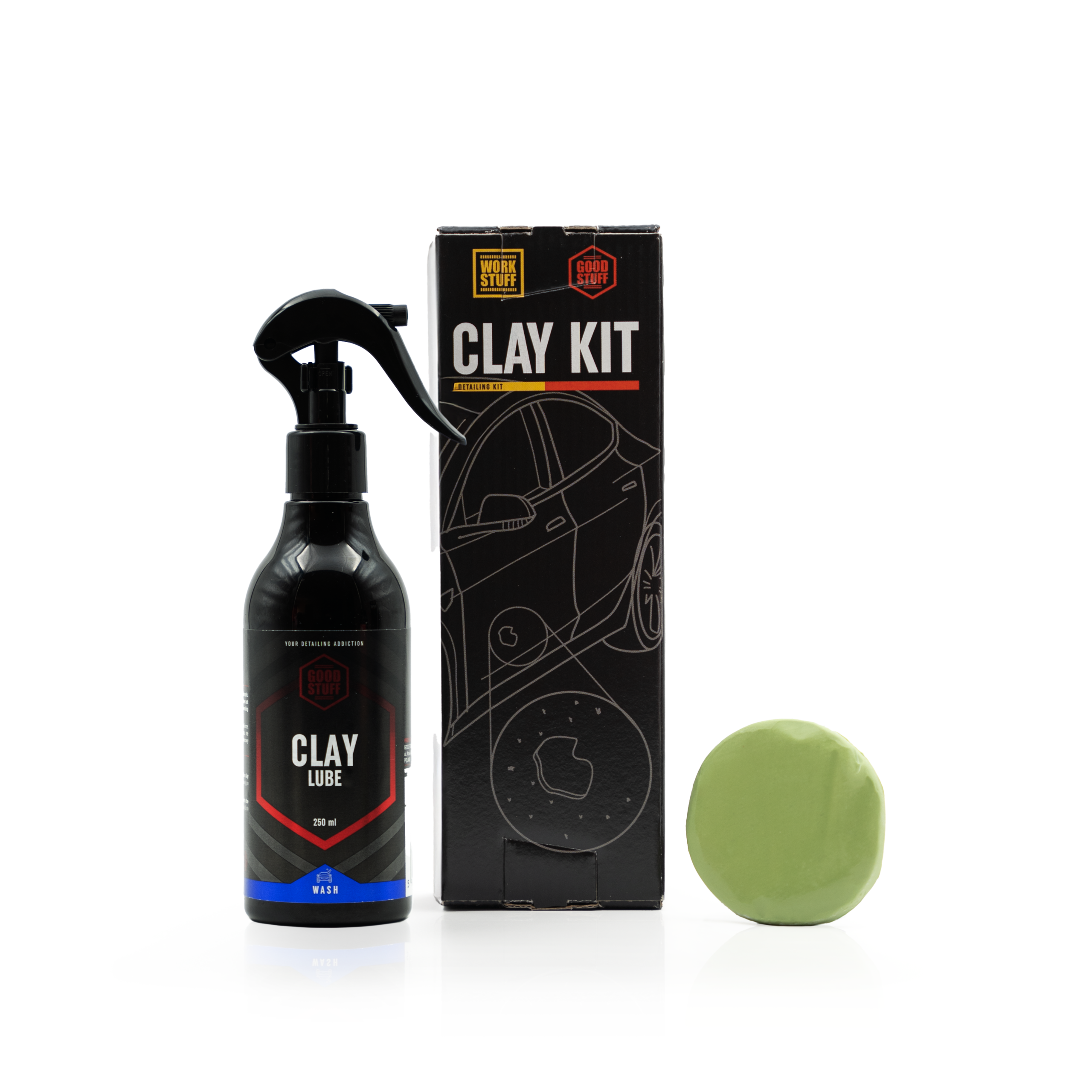
Clay Kit
We recommend this complete set:
-
Good Stuff Clay Lube – a smooth, fruity-scented lubricant designed for safe claying
-
Work Stuff Spot Clay Bar – a medium-grade clay bar that removes tar, sap, and embedded particles with ease
How to Use the Clay Kit:
1. Wash & Dry
Thoroughly wash the vehicle and remove loose contamination before claying.
2. Lubricate the Surface
Apply plenty of Clay Lube to a small working area. Never use a clay bar on dry paint.
3. Glide the Clay Bar
Move the clay gently across the lubricated paint using straight passes and light pressure.
4. Wipe & Inspect
Wipe the area with a clean microfiber towel and inspect the paint. Continue section by section until the surface feels smooth.
Why Decontaminate Before Coating?
Skipping decon can lead to:
-
Poor bonding of wax, sealant, or ceramic coating
-
Reduced durability and protection
-
Diminished gloss and slickness
-
Higher risk of scratching during polishing
Paint decontamination is especially important before polishing or applying longer-term protection. Removing bonded contamination gives polishing pads a cleaner surface to work on and helps products such as graphene coating bond to properly prepared paint.
When Should You Decontaminate?
There is no fixed schedule for paint decontamination. The frequency depends on how the vehicle is used, stored and maintained. Consider decontaminating when:
- The paint still feels rough after washing
- Before polishing or paint correction
- Before applying wax, sealant or coating
- After winter or prolonged exposure to road contamination
- Visible iron fallout or bonded contamination remains after washing
A simple way to check the paint is the plastic-bag test: place your hand inside a thin plastic bag and gently move it over clean paint. If the surface feels gritty or uneven, bonded contamination may still be present.
Benefits of Full Paint Decontamination
✅Restores smoothness
✅ Improves gloss and reflection
✅ Enhances durability of protective products
✅ Ensures proper adhesion for ceramic coatings
✅ Prevents marring during detail and washing
✅ Saves product waste by prepping the surface correctly
Final Thoughts
Car paint decontamination is the step between normal washing and more advanced paint preparation. Chemical decontamination removes contaminants such as iron fallout, while mechanical decontamination with a clay bar removes bonded particles that remain on the surface.
Start with a proper pre-wash, use Iron Remover when ferrous contamination is present, and move to the Clay Kit only when the paint still requires mechanical decontamination.
The result is a smoother, cleaner surface that is properly prepared for polishing or paint protection.
Find a Store in Your Neighborhood
Looking to buy Good Stuff products? Our car cosmetics are available at various retailers, making it easy for you to find what you need. Simply choose your desired product and explore nearby stores that carry it, ensuring you get the best cosmetics for exceptional car care. We recommend using the highest quality accessories like Work Stuff to ensure maximum effective car washing.
CLAY LUBE

SPOT CLAY BAR

CLAY KIT
IRON REMOVER

GENTLEMAN BASIC

TRAFFIC FILM REMOVER