
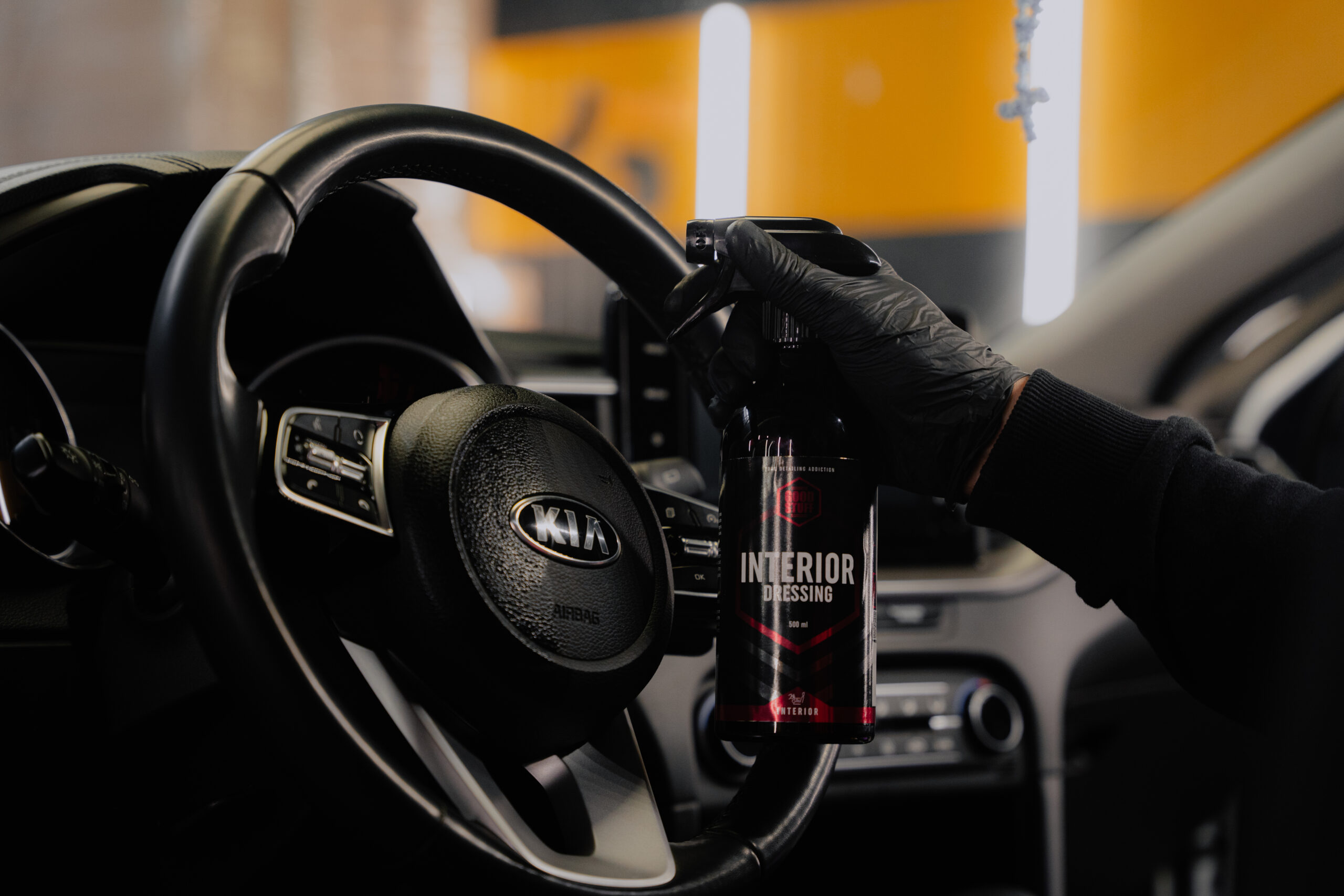
Cleaner, detailer or dressing? They may look similar, but each one has a different job. Here’s how to choose the right product for cleaning, maintaining and protecting your car interior.
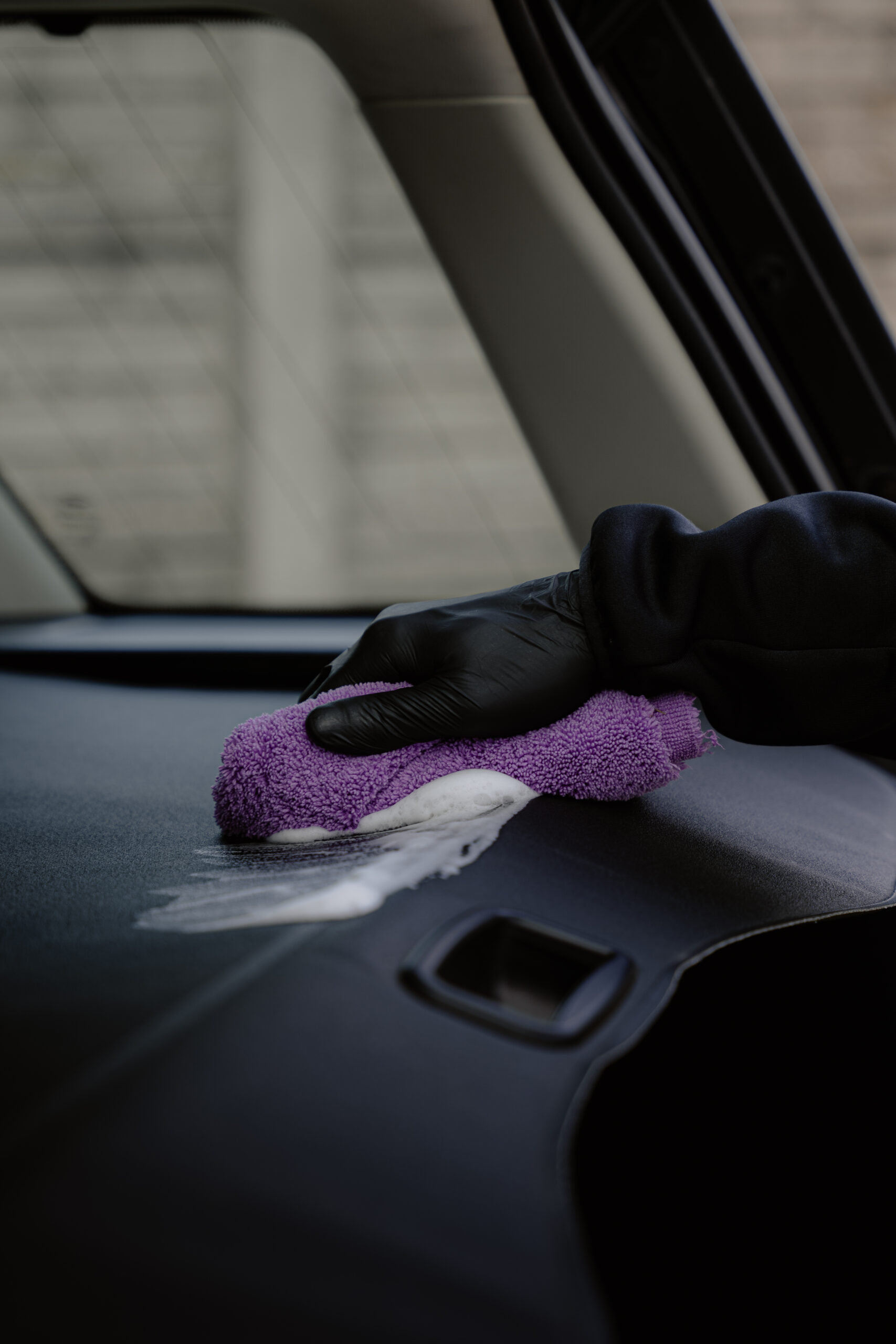 Clean
Clean
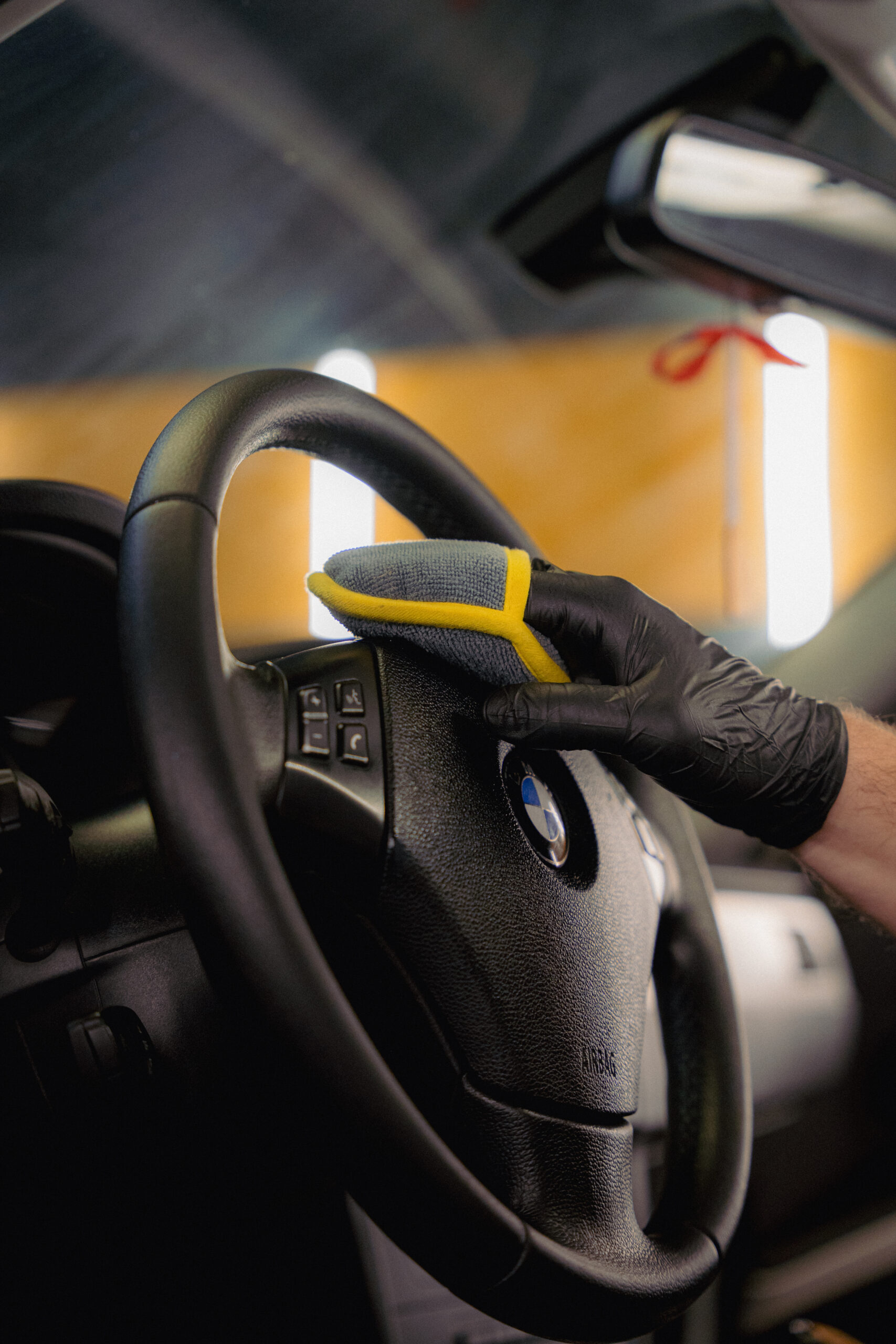 Protect
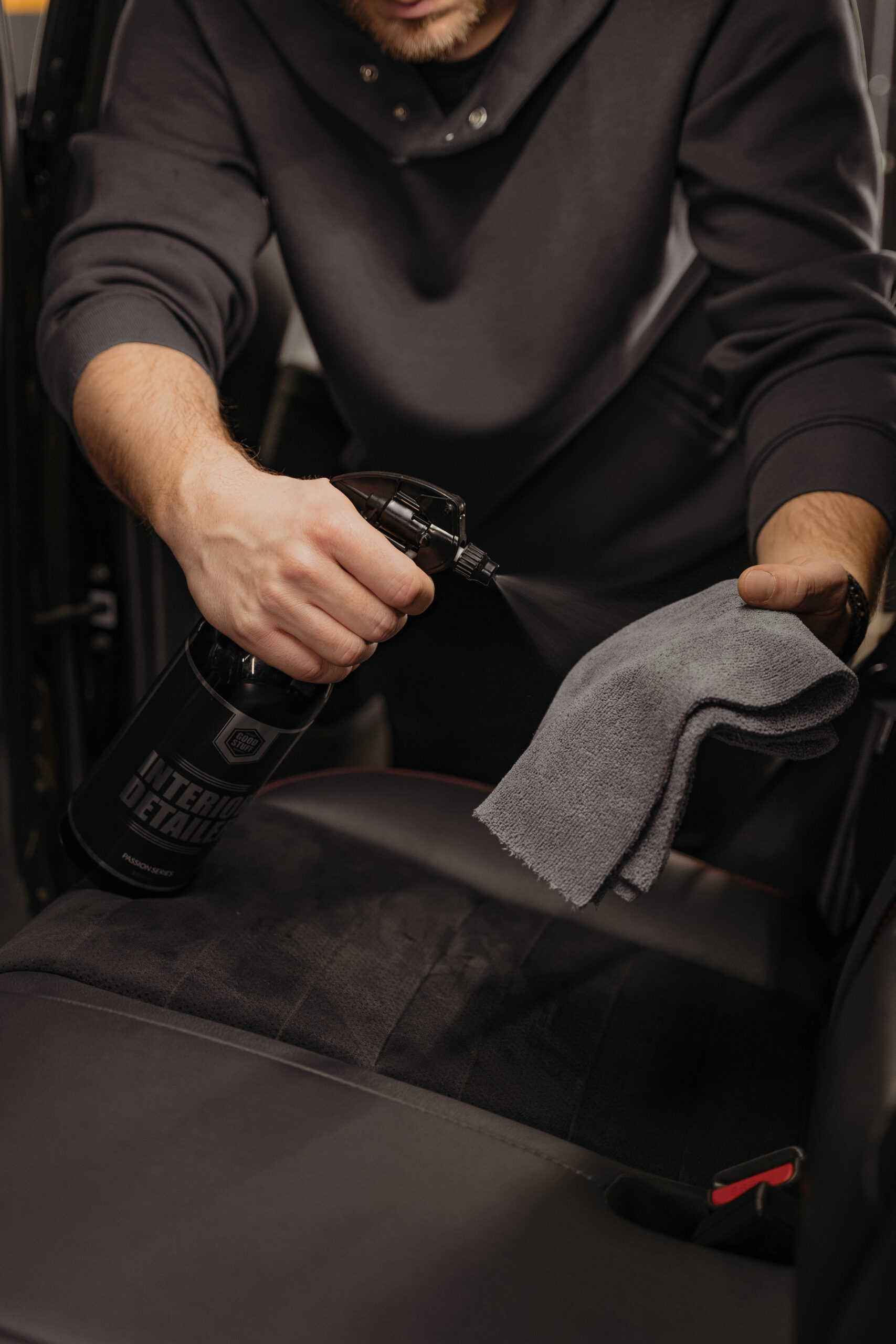 Maintain
Three products. Three different jobs.
The easiest way to choose between them is to look at the condition of the surface, not the bottle.
A dedicated car interior cleaner focuses on removing contamination. An interior detailer is designed for quick maintenance when only light dust and fingerprints are present. An interior dressing is mainly a finishing and protection step for an already clean surface.
Interior Cleaner
Choose it when visible dirt, fingerprints and everyday contamination need to be removed from dashboard plastics, vinyl or rubber.
Interior Detailer
Choose it when the cabin only needs a quick refresh and you want light cleaning plus protection in one step.
Interior Dressing
Choose it after cleaning when plastics and trim need conditioning, protection and a more defined satin appearance.
What is the actual difference?
All three can appear in an interior detailing routine, but they should not automatically be used in the same way.
| Feature | Interior Cleaner | Interior Detailer | Interior Dressing |
|---|---|---|---|
| Main role | Dedicated cleaning | Quick cleaning + protection | Protection + finishing |
| Best for | Visible everyday dirt and fingerprints | Light dust and regular maintenance | Clean plastics that need conditioning and finish |
| Finish | Natural appearance | Natural, clean finish | More defined satin finish |
| Protection | Cleaning is the priority | Antistatic, hydrophobic and UV-supporting care | Dedicated protective and conditioning step |
| Typical use | Dashboard, door panels, plastic, rubber and vinyl | Fast dashboard and trim maintenance | Dashboard, plastic, vinyl and rubber trim |
| Choose it when | The surface actually needs cleaning | You want a fast maintenance wipe-down | The surface is clean and ready to be finished |
More product does not mean better detailing.
Interior detailing becomes much easier when cleaning, maintenance and protection are treated as different jobs.
Applying a dressing over visible dirt does not remove the contamination underneath. At the same time, repeating a complete cleaning process whenever a small layer of dust appears is often unnecessary.
The simplest rule is: clean when it is dirty, maintain when it is lightly dusty, and protect when the surface is ready for finishing.
Start with cleaning.
A quick detailer may be enough.
Move to dressing and protection.
Step up to a stronger cleaning process.
Interior Cleaner: when the surface actually needs cleaning.
Interior Cleaner is the most straightforward option of the three: its primary task is removing dust, fingerprints and everyday contamination.
It is a ready-to-use solution suitable for frequently cleaned interior surfaces such as dashboards, door panels and rubber or plastic trim. The goal is a clean surface without greasy residue.
It also makes sense as the cleaning stage before applying a separate protective interior dressing .
- fingerprints are clearly visible
- dashboard plastics look dirty
- dust has built up in textured trim
- you are preparing the surface for dressing
- you specifically want added protection
- you want a stronger satin conditioning effect
- only very light maintenance is required
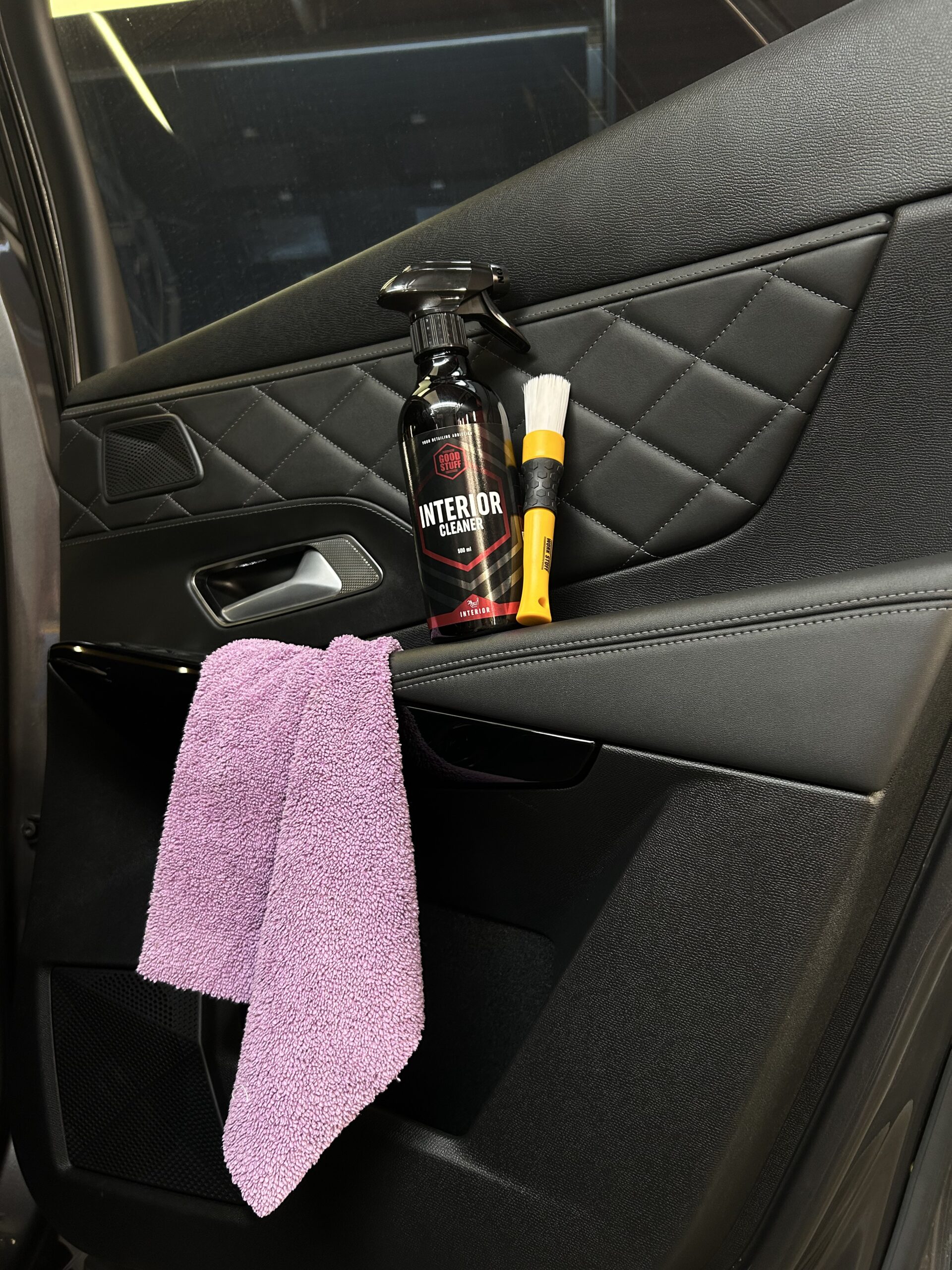
Interior Cleaner + Ultra Grip + Gentleman Basic
For textured plastics, vents, buttons and tight interior details, work the cleaner with the WORK STUFF Detailing Brush Ultra Grip . Its controlled grip and versatile bristles make it useful for detailed interior cleaning.
After agitation, collect the loosened dirt and product residue with a GENTLEMAN Basic microfiber . The 350 GSM towel is a practical choice for regular interior wiping.
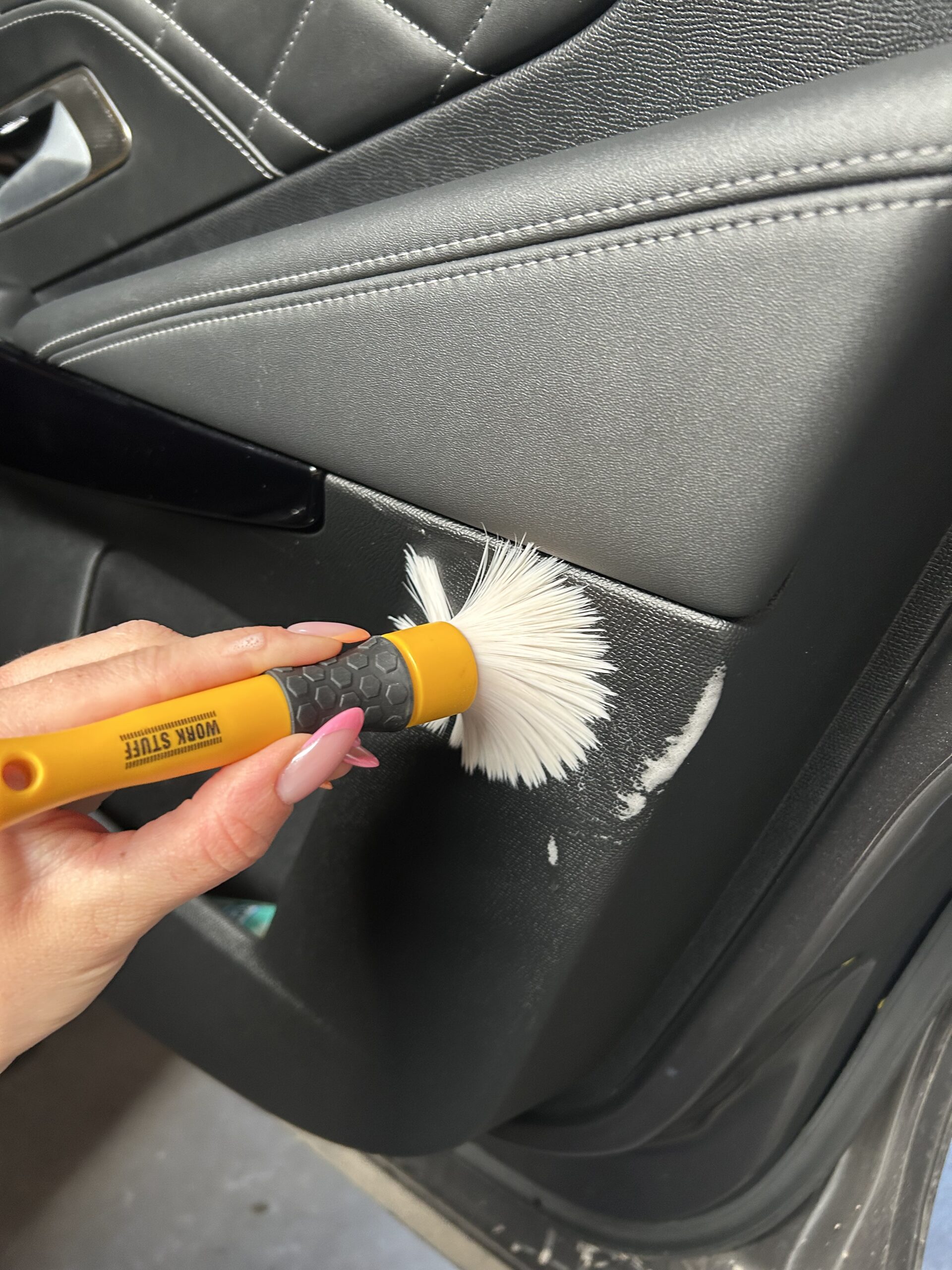
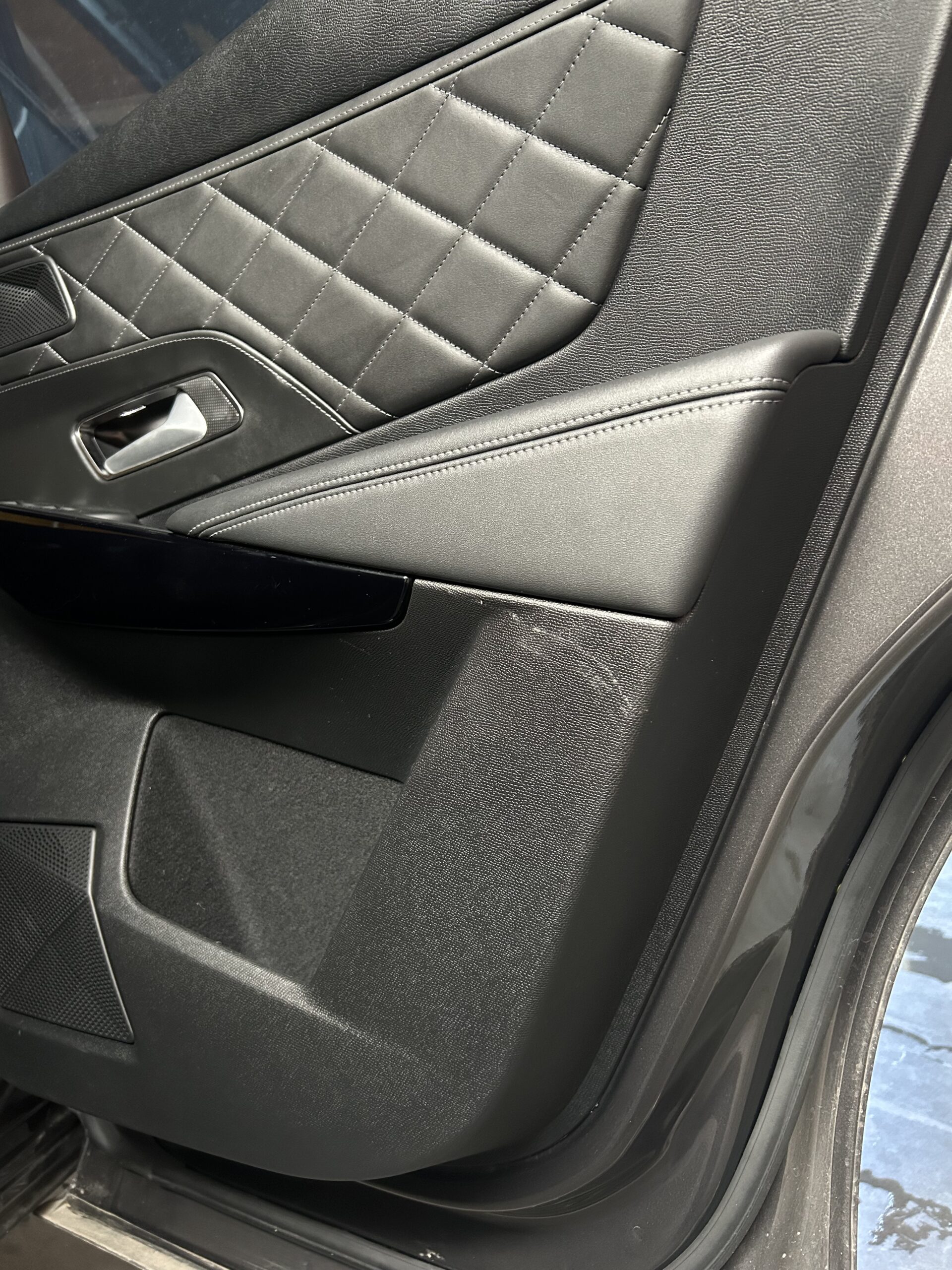
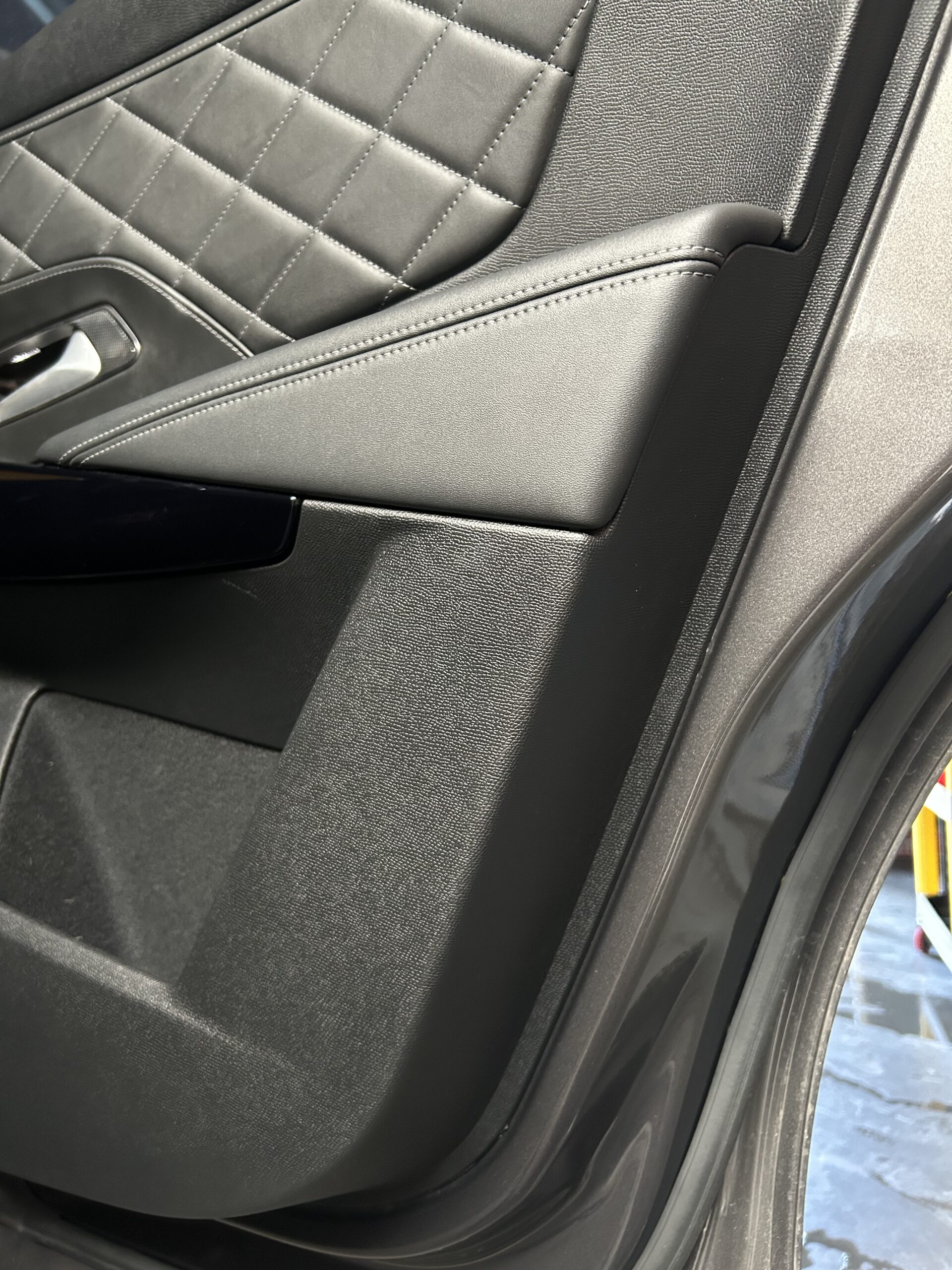
Interior Dressing: clean first, protect second.
Interior Dressing is primarily a finishing product. It makes the most sense once dirt has already been removed.
The formula refreshes and protects interior plastics while creating a controlled satin appearance rather than a greasy, excessively glossy finish.
It is especially useful when clean plastics look dull or visually uneven and you want the detailing process to end with a more finished appearance.
- plastics are already clean and dry
- trim looks dull or visually uneven
- you want a satin appearance
- you want a dedicated protection step
- steering wheel grip areas
- pedals
- glass
- screens and displays
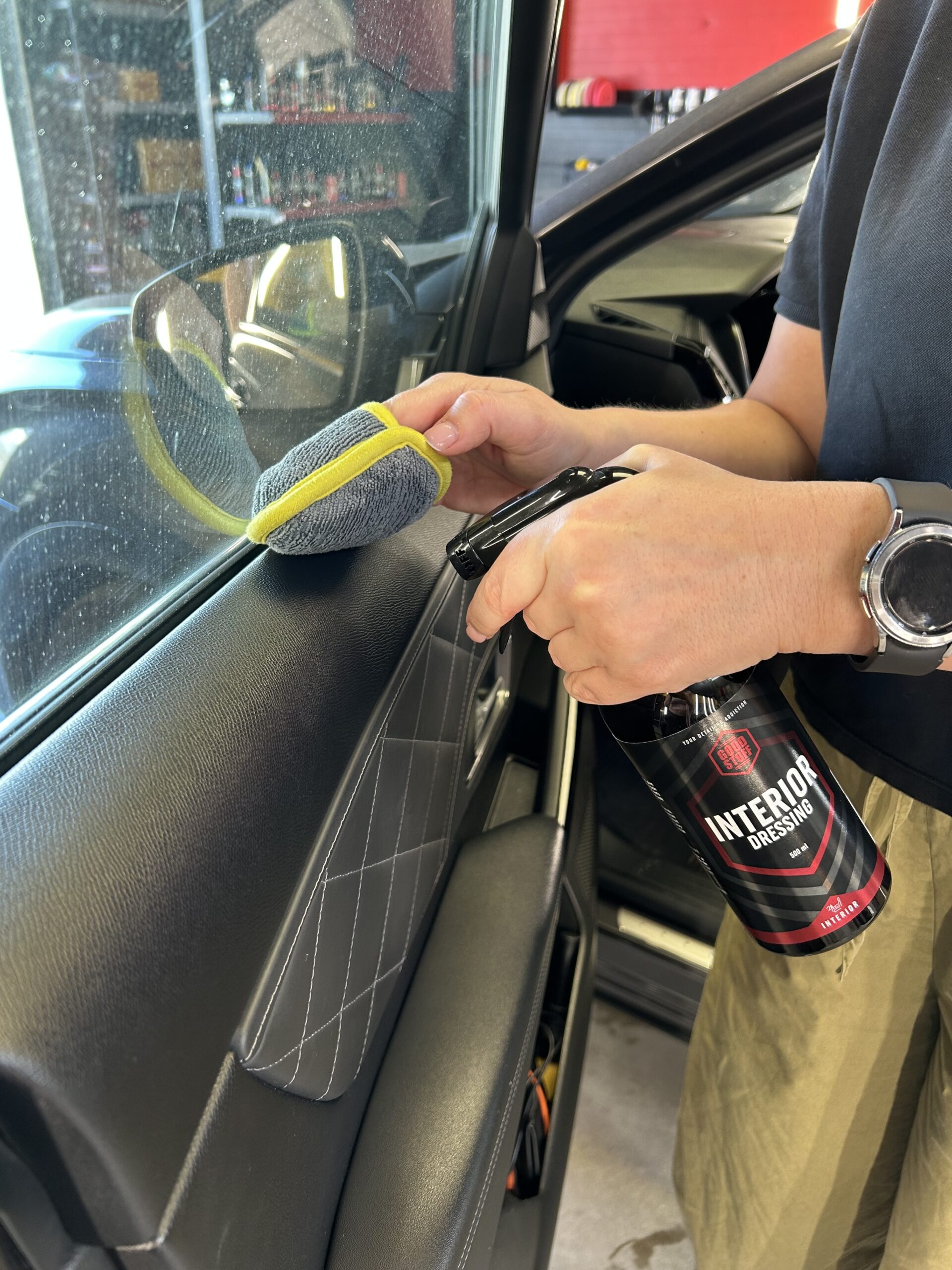
Interior Dressing + ECLIPSE
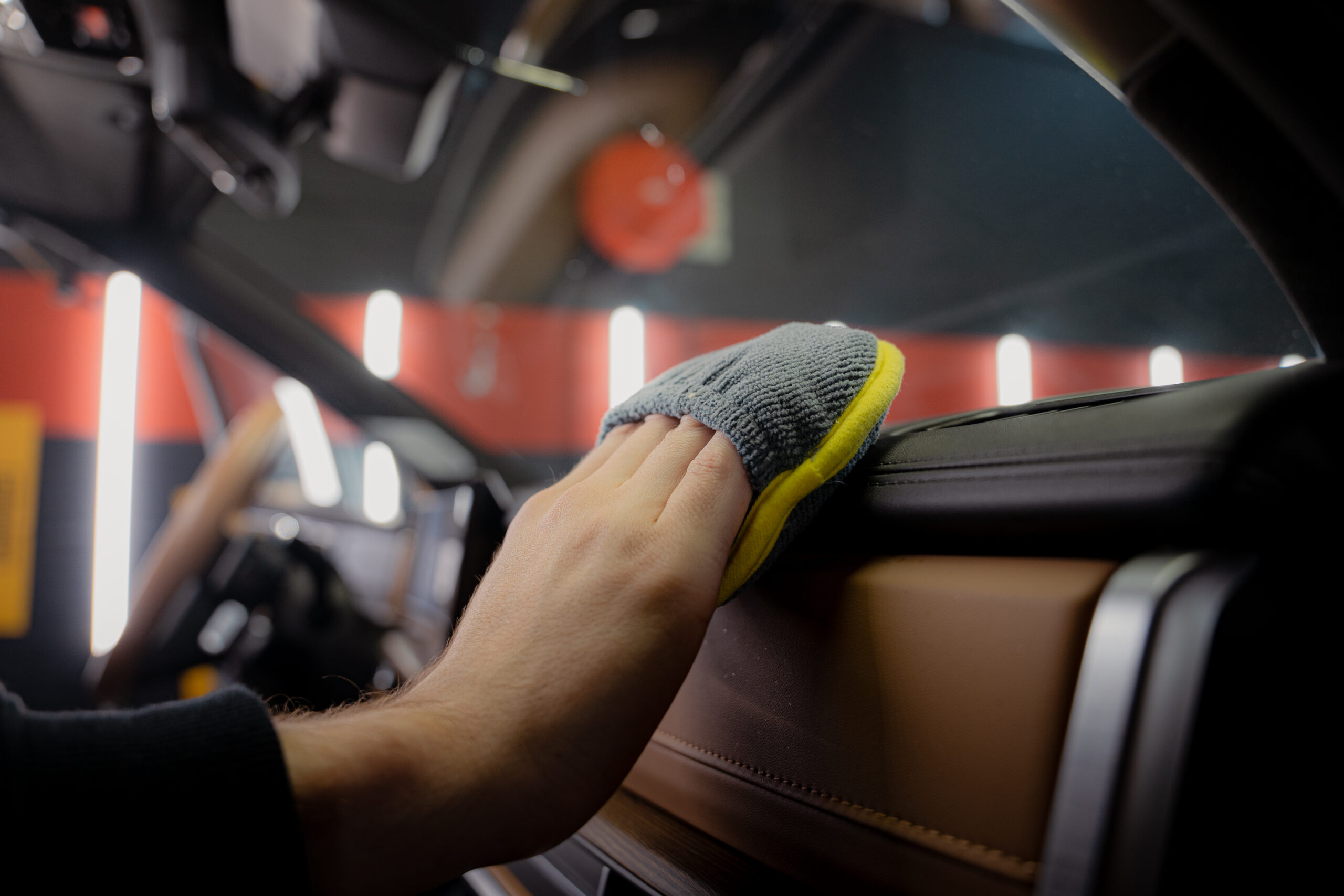
Start with a clean and dry surface. Apply a small amount of dressing to the WORK STUFF ECLIPSE Microfiber Applicator and spread a thin, even layer over the dashboard, plastics or trim.
The microfiber applicator gives better control over product distribution, especially when you want a uniform satin finish without unnecessary excess. If needed, lightly level the surface afterwards with a clean GENTLEMAN Basic .
Interior Detailer: the fast 2-in-1 option.
Not every car interior needs a complete clean-and-dress process.
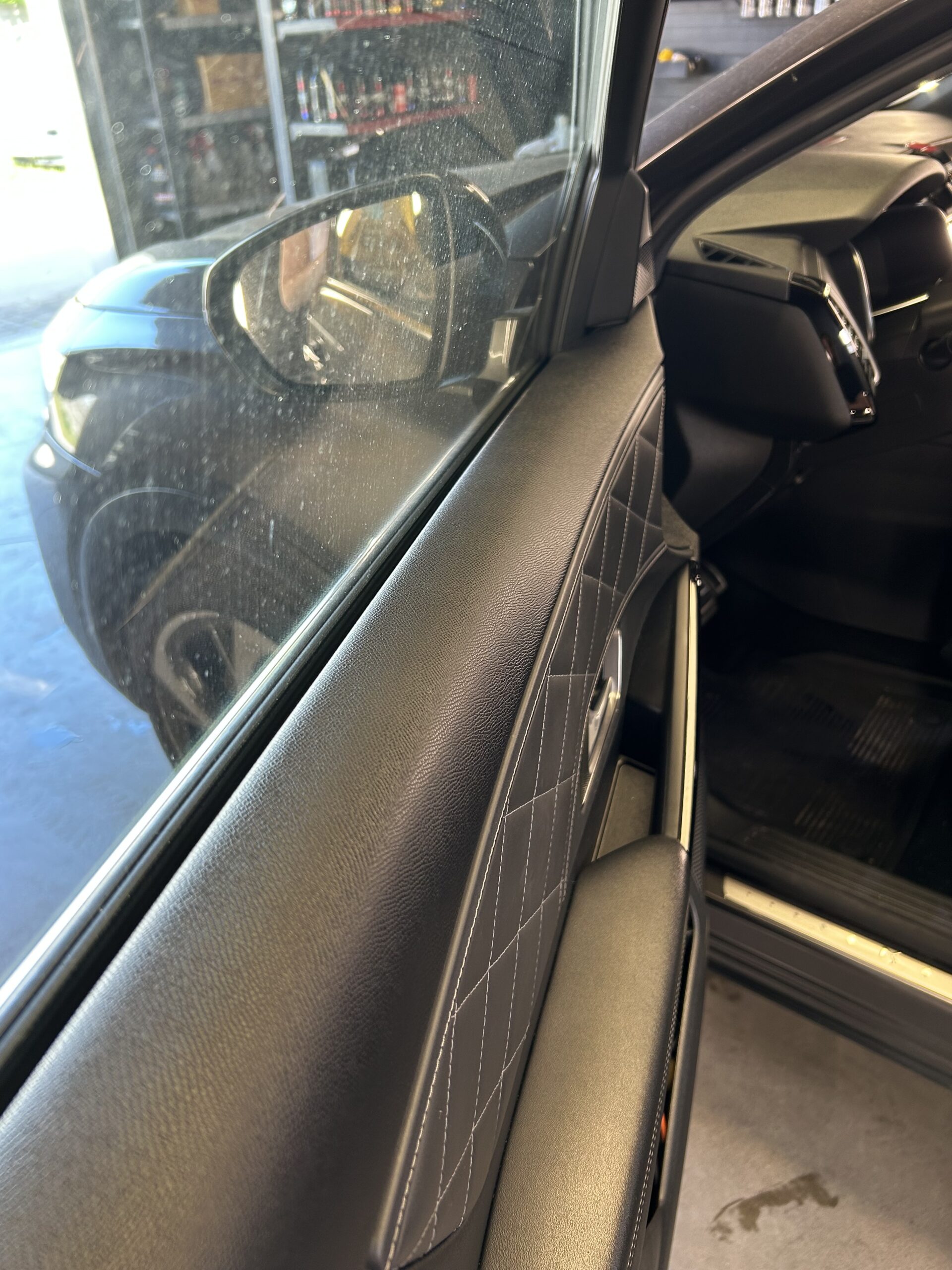
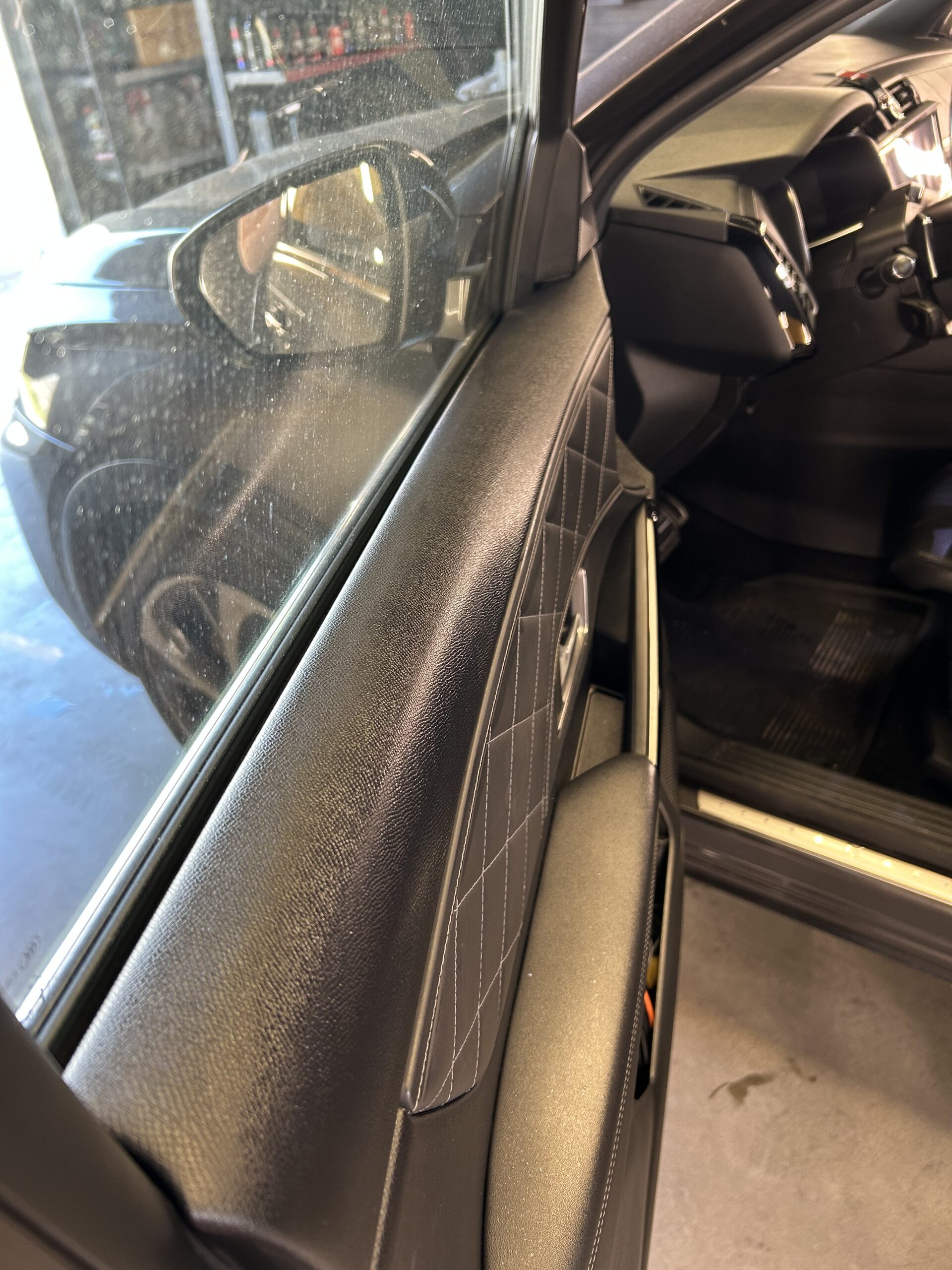
If the cabin was cleaned recently and only light dust, fingerprints or everyday marks have appeared, Interior Detailer offers a faster maintenance solution.
It combines light cleaning with antistatic, hydrophobic and UV-supporting care in one step, making it particularly useful between more complete interior details.
- only light dust is present
- fingerprints need a quick wipe-down
- the interior was cleaned recently
- you want cleaning and protection in one step
- visible dirt requires proper cleaning
- greasy buildup is present
- you want a dedicated satin dressing effect
- the interior is heavily neglected
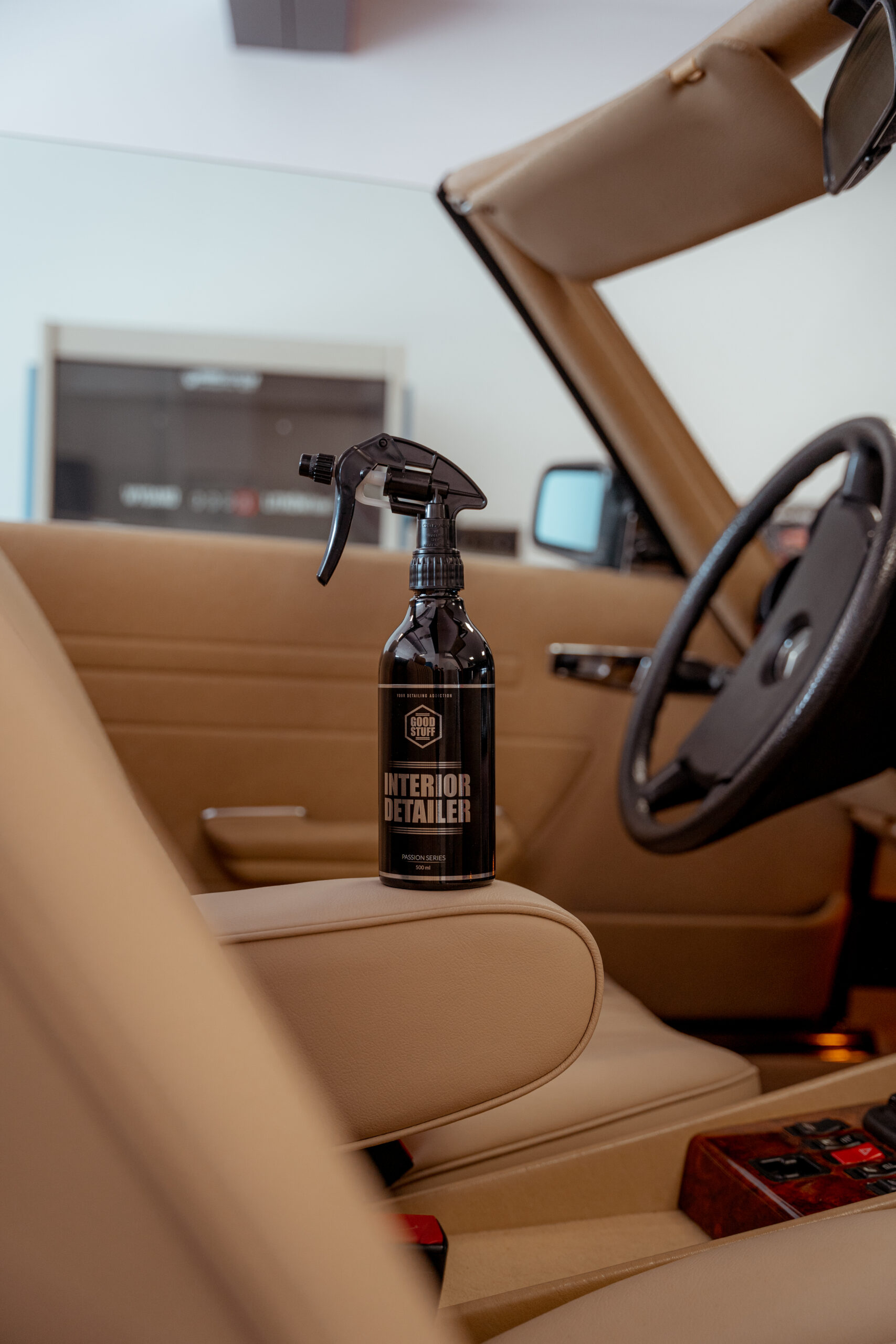
Interior Detailer + Gentleman Basic
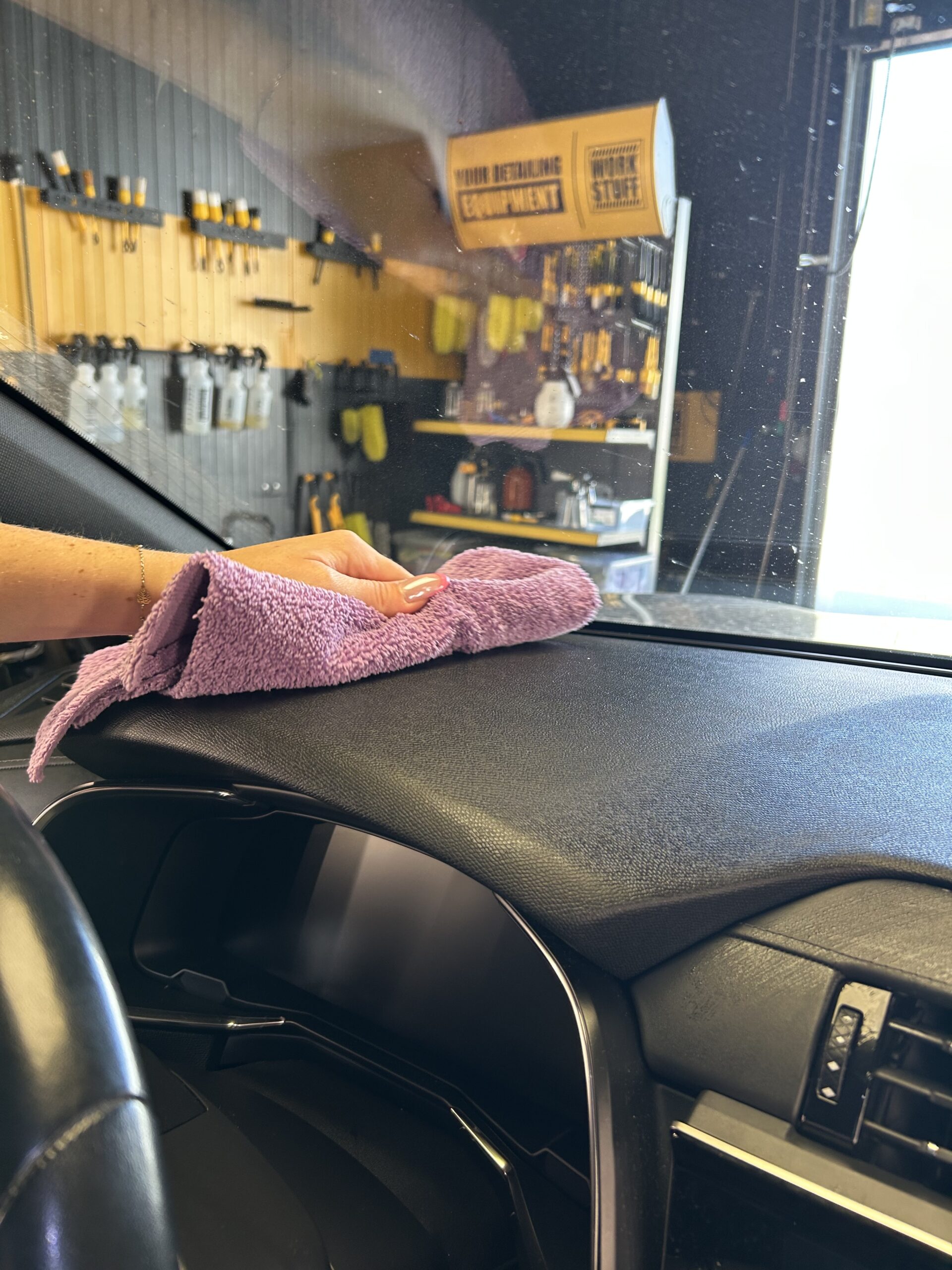
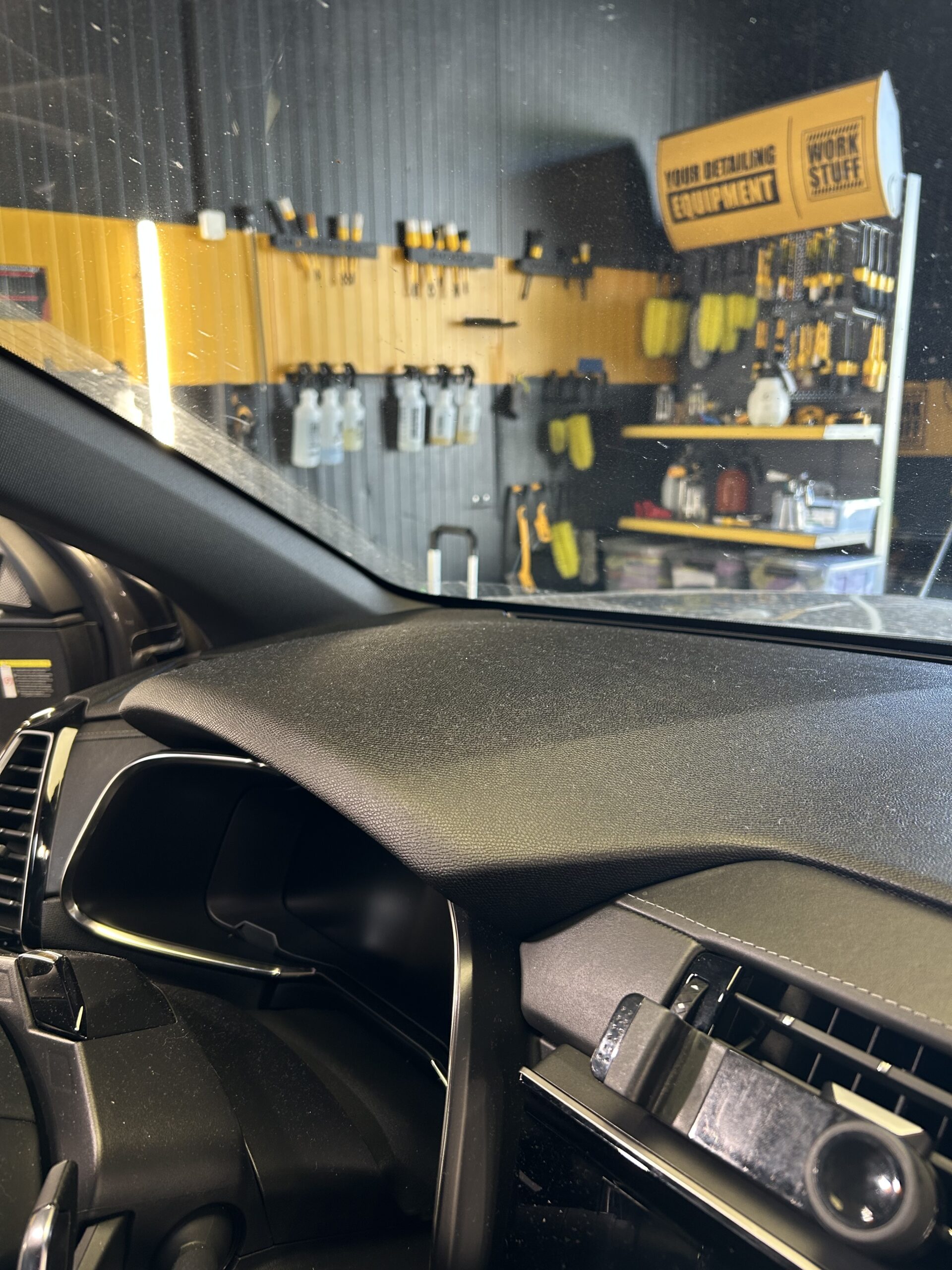
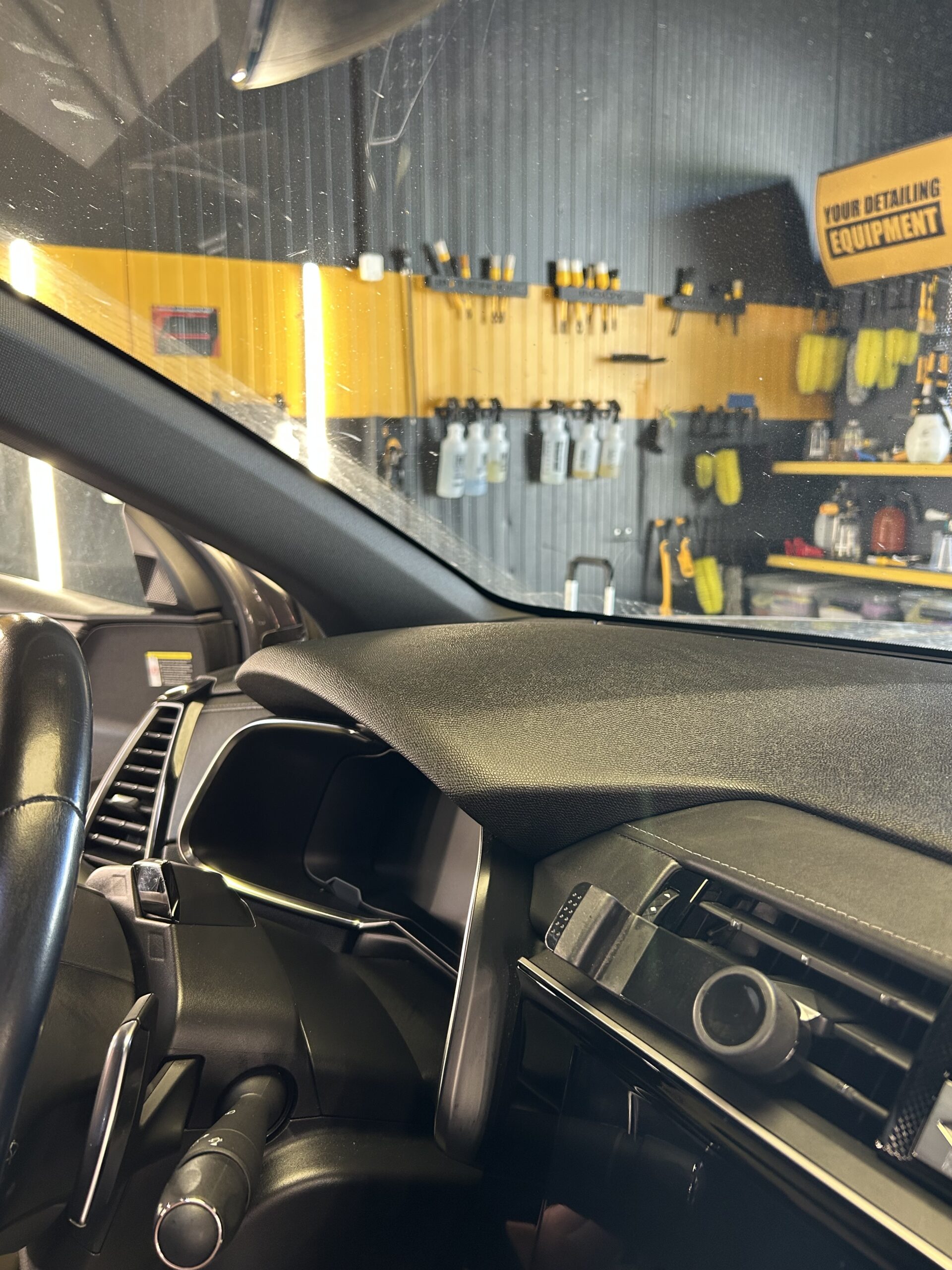
For a fast maintenance wipe, spray Interior Detailer onto a clean microfiber and work one panel at a time.
The WORK STUFF GENTLEMAN Basic is particularly practical here: its balanced 350 GSM construction works well for interior wiping, quick detailers and everyday detailing.
Which product should you use right now?
Your dashboard is dusty and covered in fingerprints.
The main problem is contamination. Remove it properly rather than covering it with a finishing product.
Choose Interior CleanerYou cleaned the car a few days ago and only light dust returned.
Repeating the complete cleaning and dressing process is unnecessary. A maintenance wipe-down is enough.
Choose Interior DetailerThe dashboard is clean, but the plastics look dull.
Cleaning is no longer the main task. This is the stage where protection and finishing make more sense.
Choose Interior DressingThe interior has not been cleaned for months.
Start with proper cleaning. For heavier contamination, greasy areas or floor mats, a stronger all-purpose cleaner can be the better first step.
Clean First – Finish LaterChemistry works better with the right tools.
Interior care is not only about choosing the correct chemical. Brushes, microfibers and applicators determine how effectively the product reaches the surface, how evenly it is distributed and how cleanly it is removed.
APC
For heavier grime, floor mats and areas that need more cleaning strength than routine maintenance chemistry.
See APC →Ultra Grip
A controlled detailing brush for vents, buttons, textured dashboard plastics and other areas where a microfiber cannot reach properly.
See Ultra Grip →Gentleman Basic
A versatile 350 GSM microfiber for collecting loosened dirt, quick maintenance and final interior wiping.
See Gentleman Basic →Eclipse
A microfiber applicator that helps spread Interior Dressing in a thin and controlled layer across plastics and trim.
See Eclipse →Fabric Cleaner
Use dedicated textile chemistry for seats, carpets, headliners and other fabric areas rather than dashboard products.
See Fabric Cleaner →Leather Cleaner
Leather needs dedicated cleaning chemistry instead of a general plastic cleaner or interior dressing.
See Leather Cleaner →Avoid these mistakes when caring for your interior.
Cleaning and protection are different jobs. Remove contamination before applying a finishing product.
If the interior is already maintained, a quick detailer may be all you need.
A thin, even layer gives you better control and a cleaner, more natural satin finish.
Plastic, leather, textiles and glass have different requirements. Match the chemistry to the surface.
Interior care questions, answered quickly.
What is the difference between Interior Cleaner and Interior Detailer?
What is interior dressing used for?
Should I use Interior Cleaner before Interior Dressing?
Can Interior Detailer replace both cleaner and dressing?
Stop asking which product is “best”.
Ask what the interior needs right now.
A good interior routine does not require every bottle every time. Identify the condition of the surface, then choose the shortest process that produces the correct result.
Use Interior Cleaner.
Use Interior Detailer.
Use Interior Dressing.
Start with a stronger dedicated cleaning process.


